How I Learned to Calm My Mind with Acupuncture and Massage
Stress used to hit me out of nowhere—racing thoughts, tight shoulders, sleepless nights. As a beginner exploring natural ways to manage emotions, I turned to acupuncture and massage. What started as curiosity became a game-changer. This isn’t a cure, but a real, gentle shift I’ve felt over time. If your mind feels overloaded, this journey might resonate with you. Always consult a professional, but here’s what worked for me.
The Emotional Burnout That Started It All
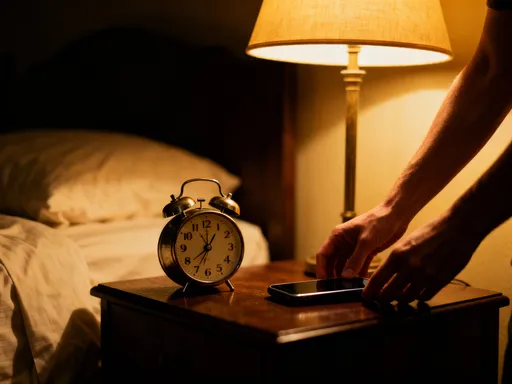
For years, I thought being busy was a badge of honor. Juggling work deadlines, family schedules, and household responsibilities, I rarely paused to check in with myself. Then, the signs began to pile up—waking up at 3 a.m. with a racing heart, snapping at my children over small things, and feeling physically drained despite getting enough sleep. My body was sending signals, but I kept pushing through. The breaking point came during a routine grocery trip when I found myself standing in the cereal aisle, overwhelmed by indecision and on the verge of tears. That moment was a wake-up call: I wasn’t just tired; I was emotionally exhausted.
Emotional burnout isn’t always dramatic. It often creeps in quietly, disguised as irritability, fatigue, or a sense of emotional numbness. For many women in their 30s, 40s, and beyond, this kind of strain is common. Responsibilities multiply, and self-care often becomes the first thing to go. Yet, ignoring these signals can lead to deeper imbalances—chronic tension, disrupted sleep, and a constant undercurrent of anxiety. Recognizing that I wasn’t alone in this experience helped me let go of guilt. More importantly, it pushed me to seek support rather than suffer in silence. I began researching gentle, non-medicated ways to restore balance, which led me to explore acupuncture and massage as complementary tools.
Why I Chose Acupuncture and Massage as a Beginner
When I first considered acupuncture, the idea of needles made me hesitant. I associated it with pain, not peace. But after reading about its use in traditional Chinese medicine for regulating energy flow—known as qi—I became curious. Unlike medications that target symptoms, acupuncture aims to support the body’s natural ability to heal and rebalance. Massage, too, felt like a familiar yet underutilized resource. I’d always thought of it as a treat, not a therapeutic practice. But I began to see both as forms of body-based care that could influence not just physical tension, but emotional well-being.
What made these options appealing was their non-invasive nature. I wasn’t ready for more intensive interventions, and I wanted to avoid relying on medication. Acupuncture and massage offered a middle path—grounded in tradition, increasingly supported by modern research, and accessible without a major lifestyle overhaul. I also appreciated that they didn’t require me to talk through my emotions, which felt overwhelming at the time. Instead, they invited me to reconnect with my body in a quiet, supportive way. This sense of gentle engagement, rather than confrontation, made the process feel safe and manageable.
What Acupuncture Actually Feels Like (No Need to Panic!)
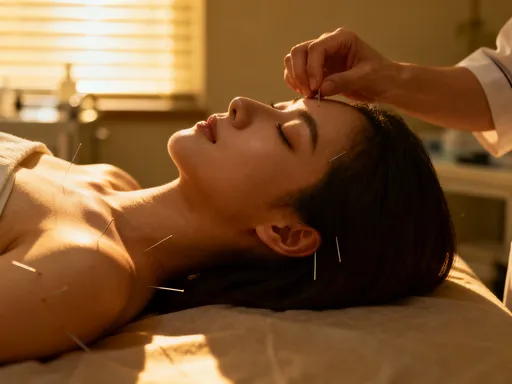
My first acupuncture session took place in a softly lit room with calming instrumental music. The practitioner began with a conversation about my sleep patterns, stress levels, and physical discomforts. Then came the needles—so thin they felt more like a slight tap than a prick. They were placed along my arms, legs, back, and ears, targeting specific points believed to influence the nervous system. I expected discomfort, but instead, I felt a deep sense of stillness. Some areas tingled briefly; others warmed slightly. Within minutes, my breathing slowed, and my mind, usually racing, began to quiet.
It’s important to clarify: acupuncture isn’t a one-size-fits-all experience. Some people feel immediate relaxation, while others notice subtle changes over time. A few report mild soreness afterward, similar to post-exercise fatigue, but this usually passes within a day. The key is working with a licensed, experienced practitioner who follows strict hygiene protocols and tailors the session to your needs. I learned that the goal isn’t dramatic sensation, but gentle stimulation to help the body reset. Over several sessions, I began to recognize the shift—the space between stimulus and reaction growing wider, allowing me to respond to stress with more clarity and less reactivity.
How Massage Became More Than Just Relaxation
Like many, I once viewed massage as a luxury—something reserved for vacations or special occasions. But as I explored its therapeutic potential, I realized it could be a vital part of emotional self-care. My sessions shifted from general relaxation to focused work on areas where stress stored: the base of my skull, shoulders, upper back, and jaw. A skilled therapist could feel the knots before I even pointed them out, tracing the physical map of my emotional load.
What surprised me most was how releasing muscle tension could affect my mood. After one session targeting my neck and shoulders, I noticed I wasn’t clenching my jaw throughout the day. My posture improved, and with it, my breathing deepened. Over time, these physical changes translated into emotional shifts. I felt less on edge, more present with my family, and better equipped to handle daily pressures. Massage, I realized, wasn’t just about comfort—it was a way of communicating with my body, signaling safety and care. When the body feels held and released, the mind often follows.
The Science Behind It: How Body Work Affects Emotions
The connection between physical touch and emotional well-being isn’t just anecdotal—it’s supported by growing scientific understanding. Acupuncture and massage both influence the autonomic nervous system, which controls the body’s stress response. When we’re under chronic stress, the sympathetic nervous system dominates, keeping us in a state of “fight or flight.” These therapies help activate the parasympathetic nervous system, shifting the body into “rest and digest” mode, where healing and recovery can occur.
Studies suggest that acupuncture may help regulate cortisol, the primary stress hormone. By stimulating specific points, it may support the hypothalamus and pituitary gland in maintaining hormonal balance. Additionally, research indicates that acupuncture can enhance vagus nerve activity, which plays a crucial role in calming the heart rate, improving digestion, and reducing anxiety. Similarly, massage therapy has been shown to lower cortisol levels while increasing serotonin and dopamine—neurochemicals linked to mood regulation and feelings of well-being.
Touch itself is a powerful regulator. When pressure is applied in a safe, intentional way, it signals the brain that the environment is secure. This can reduce activity in the amygdala, the brain’s fear center, and promote a sense of calm. While these effects may seem subtle, they accumulate over time. Regular sessions create a physiological memory of relaxation, making it easier for the body to return to balance even outside of treatment. This isn’t magic—it’s the body responding to consistent, nurturing input.
Building a Routine: Small Steps That Made a Difference
Consistency, not intensity, became the cornerstone of my progress. I started with monthly acupuncture sessions and biweekly massages, adjusting based on my schedule and stress levels. I learned to listen to my body—when I felt tension building or sleep becoming erratic, I scheduled a session before reaching a breaking point. Over time, I noticed I could go longer between appointments without losing the benefits, a sign that my nervous system was becoming more resilient.
I also integrated simple practices at home to extend the effects. Gentle stretching, mindful breathing, and short meditation sessions helped maintain the sense of calm I experienced during treatments. One technique I found especially helpful was diaphragmatic breathing—inhaling slowly through the nose, allowing the belly to rise, then exhaling fully. Practicing this for just five minutes a day reinforced the parasympathetic activation I experienced during massage and acupuncture.
Tracking my progress helped me stay motivated. I kept a journal noting my mood, sleep quality, and physical tension before and after sessions. Over several months, patterns emerged: fewer nighttime awakenings, reduced shoulder pain, and a greater sense of emotional steadiness. These small victories built confidence that I was moving in the right direction. Importantly, I never viewed these therapies as replacements for professional mental health care. Instead, I saw them as supportive layers in a broader wellness strategy—one that included therapy when needed, healthy nutrition, and strong social connections.
Realistic Expectations and When to Seek Help
It’s essential to approach acupuncture and massage with realistic expectations. These are not instant fixes or substitutes for medical treatment when serious conditions are present. For some, relief is immediate; for others, it unfolds gradually over weeks or months. Results vary based on individual physiology, the severity of stress, and consistency of care. What they offer is not a cure, but a way to support the body’s natural capacity to regulate and restore.
There are times when professional psychological or medical intervention is necessary. If you experience persistent sadness, hopelessness, difficulty functioning in daily life, or thoughts of self-harm, it’s crucial to seek help from a licensed mental health provider. Acupuncture and massage can complement such care, but they should not delay or replace it when more intensive support is needed. Similarly, if physical symptoms like chronic pain or digestive issues persist, a medical evaluation is important to rule out underlying conditions.
Self-care is not a solitary solution—it’s one piece of a larger puzzle. The most effective wellness routines are those that combine multiple supportive elements: movement, nutrition, connection, rest, and professional guidance when appropriate. By viewing acupuncture and massage as tools within this framework, rather than standalone answers, I found a more balanced and sustainable path forward.
Looking back, the journey to calming my mind wasn’t about finding a single breakthrough, but about making small, consistent choices that added up over time. Acupuncture and massage became more than treatments—they were invitations to slow down, listen inward, and honor my body’s need for care. The changes weren’t dramatic, but they were meaningful: fewer moments of overwhelm, more space between stimulus and response, and a growing sense of emotional resilience. For any woman feeling stretched thin by the demands of life, these practices offer a gentle, accessible way to restore balance. They require patience and openness, but the rewards—a calmer mind, a more relaxed body, and a deeper connection to oneself—are well worth the effort. Always consult a qualified practitioner, proceed with care, and remember: healing is not a race, but a journey of gentle, intentional steps forward.