How My Body Taught Me to Quiet the Anxiety Storm
Anxiety doesn’t just live in your mind—it shows up in your shoulders, your breath, even your posture. For years, I treated it like a thought problem, chasing quick fixes. But real change started when I stopped ignoring what my body was saying. Turns out, calming your nervous system isn’t about thinking harder—it’s about moving, sensing, and resetting. This is how body-based shifts helped me reclaim peace, one breath, stretch, and grounded step at a time.
The Body-Mind Misconnection in Anxiety
Anxiety is often framed as a mental health issue, something that lives exclusively in the realm of thoughts, worries, and overthinking. This belief leads many to focus solely on cognitive strategies—challenging negative thoughts, journaling, or seeking reassurance—while overlooking a crucial truth: anxiety is also a physical experience. The tightness in the chest, the racing heart, the shallow breath, and the clenched jaw are not side effects; they are central components of the anxiety response. When the brain perceives threat, whether real or imagined, it triggers the autonomic nervous system to activate the fight-or-flight response. This biological cascade is designed for survival, not comfort, and it doesn’t distinguish between a looming deadline and a physical danger.
The problem arises when we treat anxiety as a purely mental condition. By doing so, we risk bypassing the body’s role in both generating and sustaining anxious states. Ignoring physical symptoms may offer temporary relief through distraction or suppression, but it rarely leads to lasting change. In fact, suppressing bodily sensations can amplify internal distress over time, creating a cycle where physical tension fuels mental worry, and vice versa. The body remembers stress patterns, and without intentional intervention, these patterns become automatic. This is why many women in their 30s to 50s, often juggling family, work, and caregiving responsibilities, find themselves caught in recurring waves of anxiety despite trying various mental strategies.
Modern neuroscience supports the idea that emotional regulation is not solely a cognitive process. The vagus nerve, a major component of the parasympathetic nervous system, plays a critical role in signaling safety to the body. When this nerve is underactive, the body remains in a state of hypervigilance, making it harder to relax even in safe environments. This physiological reality underscores the importance of body-based interventions. Rather than viewing the body as a passive vessel for emotions, we must recognize it as an active participant in emotional regulation. When we learn to listen to its signals, we gain access to a powerful toolkit for restoring balance.
For many, the shift begins with awareness. Recognizing that anxiety isn’t just “in the head” but also in the muscles, breath, and posture opens the door to more holistic healing. This doesn’t mean abandoning cognitive techniques, but rather integrating them with physical practices that address the root of the stress response. The body is not separate from the mind—it is deeply intertwined. By addressing both, we create a more sustainable path to calm.
Listening to the Body’s Early Warning Signs
One of the most transformative shifts in managing anxiety is learning to recognize its early physical signals before they escalate into overwhelming episodes. These subtle cues often go unnoticed in the rush of daily life, especially for women who are accustomed to pushing through fatigue, stress, and discomfort. Yet, the body sends consistent messages: a slight tension in the shoulders, a tightening in the stomach, a clenched jaw upon waking, or even a change in breathing rhythm. These are not random occurrences; they are early warnings that the nervous system is shifting into a state of alert.
Becoming attuned to these signals requires a practice known as body scanning, a form of mindful awareness that involves systematically checking in with different parts of the body. This doesn’t require meditation expertise or long sessions. A simple three-minute routine, done once or twice a day, can significantly increase self-awareness. Begin by sitting quietly and bringing attention to the feet, noticing any pressure or temperature. Slowly move upward—calves, knees, thighs, hips, abdomen, chest, shoulders, arms, hands, neck, and face. The goal is not to change anything but to observe. Over time, patterns emerge. You might notice that your shoulders rise toward your ears when checking emails or that your stomach knots form during certain conversations.
Catching these signs early is crucial because it allows for intervention before anxiety spirals out of control. Once the full stress response is activated, with elevated heart rate and racing thoughts, it becomes much harder to regain composure. But when you notice tension in its earliest stages, you can gently reset. A few slow breaths, a shoulder roll, or a brief pause to stretch can signal safety to the nervous system, preventing escalation. This proactive approach fosters a sense of agency, replacing helplessness with empowerment.
Personalization is key. Not everyone experiences anxiety in the same way. For some, it’s a flutter in the chest; for others, it’s a tingling in the hands or a dry mouth. The more familiar you become with your unique physical language, the more effectively you can respond. This isn’t about perfection or eliminating anxiety entirely—it’s about building a relationship with your body that allows for early detection and gentle correction. Over time, this practice can reduce the frequency and intensity of anxiety episodes, creating space for greater emotional resilience.
Breath as an Anchor: Beyond Deep Breathing Hacks
Breathing is one of the most accessible tools for calming anxiety, yet many people misunderstand how to use it effectively. Common advice like “take deep breaths” often leads to rapid, forceful inhales that can actually increase agitation. The key isn’t just breathing deeply, but breathing diaphragmatically and rhythmically. The diaphragm, a dome-shaped muscle beneath the lungs, plays a central role in activating the parasympathetic nervous system. When engaged properly, it sends a signal to the brain that the body is safe, slowing the heart rate and reducing stress hormones.
The connection between breath and the vagus nerve is well-documented in scientific research. Slow, controlled breathing stimulates vagal tone, which enhances the body’s ability to regulate stress. This isn’t a placebo effect—it’s a measurable physiological response. Studies have shown that breathing at a rate of about six breaths per minute can optimize heart rate variability, a marker of emotional resilience. This rhythm encourages coherence between the heart, lungs, and brain, promoting a state of calm alertness rather than fight-or-flight reactivity.
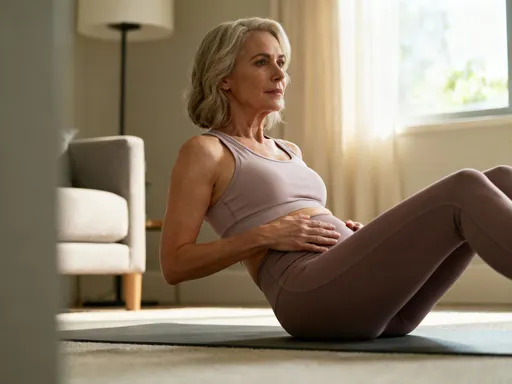
To practice diaphragmatic breathing, begin by lying down or sitting comfortably with one hand on the chest and the other on the abdomen. Inhale slowly through the nose, allowing the belly to rise while keeping the chest relatively still. Exhale gently through the mouth or nose, feeling the abdomen fall. Focus on making the exhale slightly longer than the inhale—for example, inhale for a count of four, exhale for six. This extended exhale further stimulates the vagus nerve, deepening the calming effect. The goal is not to force the breath but to let it flow naturally, with gentle attention.
Sensory focus enhances this practice. Instead of simply counting breaths, notice the temperature of the air entering and leaving the nostrils, the rise and fall of the abdomen, or the subtle pause between inhale and exhale. This mindful engagement keeps the mind from wandering into anxious thoughts. Over time, this technique can be used in real-time stressful moments—before a phone call, during a disagreement, or in the middle of a busy day. It becomes an anchor, a way to return to the present moment and reset the nervous system without drawing attention or requiring special equipment.
Movement That Calms: Not All Exercise Is Equal
Physical activity is widely recommended for anxiety, but not all forms of movement have the same effect. High-intensity workouts, while beneficial for cardiovascular health, can sometimes amplify anxiety by increasing adrenaline and cortisol levels. For someone already in a heightened state, a vigorous gym session may feel overwhelming rather than relieving. The key is to choose movement that regulates the nervous system rather than stimulating it. Rhythmic, low-impact activities such as walking, gentle yoga, tai chi, or even rocking in a chair can have a profoundly calming effect.
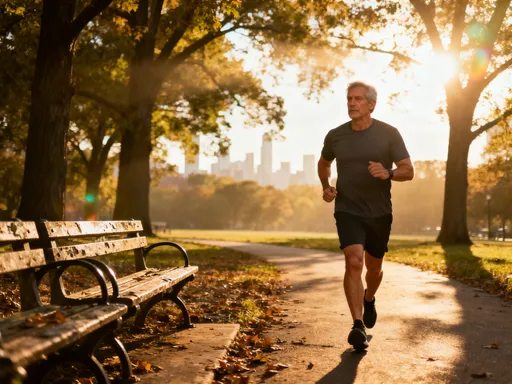
These forms of movement work because they engage the body in predictable, repetitive patterns that the brain interprets as safe. Walking, for example, synchronizes breath and step, creating a natural rhythm that soothes the mind. The act of placing one foot in front of the other, feeling the ground beneath, and observing the surroundings fosters present-moment awareness. Unlike goal-oriented exercise, this type of movement isn’t about burning calories or achieving performance milestones—it’s about restoring balance.
Consider the case of a woman who begins her day with ten minutes of gentle stretching. She moves slowly, paying attention to how each muscle feels, pausing at areas of tension. Over time, she notices a reduction in her daytime anxiety. She’s not building strength or flexibility as her primary goal; she’s sending a message of safety to her nervous system. This daily ritual becomes a form of embodied self-care, a way of saying “I am here, and I am okay.”
Building a sustainable movement habit doesn’t require hours at the gym or expensive classes. It starts with small, consistent actions that feel manageable. A five-minute walk after lunch, a few seated stretches during a work break, or swaying gently to music at home can all contribute to nervous system regulation. The emphasis is on pleasure and presence, not performance. When movement is approached this way, it becomes less of a chore and more of a nourishing practice, one that supports long-term emotional well-being.
Posture and Power: How Your Stance Shapes Your Mood
Posture is more than just how you sit or stand—it’s a silent communicator between the body and the brain. Research has shown that physical posture can influence hormone levels, including cortisol and testosterone, which are linked to stress and confidence. When a person slumps forward, shoulders rounded and head down—a common “anxiety hunch”—the body sends signals to the brain that reinforce feelings of vulnerability and helplessness. This creates a feedback loop: anxiety leads to collapsed posture, and collapsed posture, in turn, deepens anxiety.
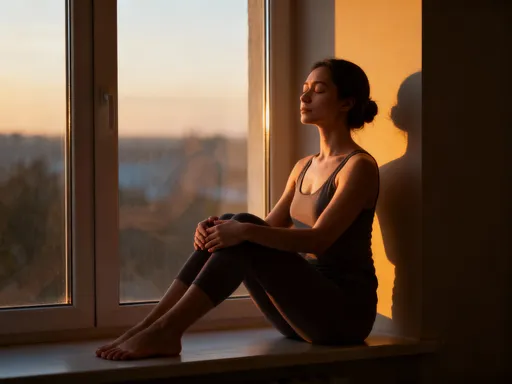
Conversely, adopting an upright, open posture can shift emotional states. Sitting with the spine aligned, shoulders relaxed but back, and feet grounded sends signals of safety and strength to the nervous system. This doesn’t mean forcing an unnatural “power pose”—it’s about gentle, sustainable alignment. Simple corrections, such as adjusting the chair height so feet rest flat on the floor, using a lumbar roll for lower back support, or setting a reminder to release shoulder tension every hour, can make a meaningful difference.
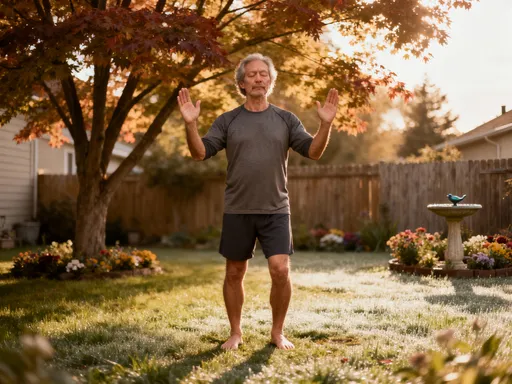
The act of grounding the feet is particularly powerful. When the soles of the feet make firm contact with the floor, it activates sensory receptors that contribute to a sense of stability. This is why standing barefoot on the ground, even briefly, can feel calming. Incorporating this awareness into daily life—feeling the support beneath you while sitting, standing, or walking—becomes a subtle but effective way to interrupt anxiety in the moment.
Posture shifts can be used as on-the-spot anxiety interrupts. When you notice tension rising, take a moment to adjust your stance. Roll your shoulders back, lengthen your spine, and take a slow breath. This small act can break the cycle of physical and mental contraction, creating space for a calmer response. Over time, improved posture becomes not just a physical adjustment but a habit of self-respect, a way of carrying oneself with quiet dignity and inner strength.
Sensory Grounding: Reconnecting When Overwhelmed
During moments of intense anxiety, the mind can feel disconnected from the body, caught in a spiral of racing thoughts and fear. This disconnection worsens the experience, making it harder to regain control. Sensory grounding techniques work by bringing attention back to the present moment through the five senses, effectively “rebooting” the nervous system. One of the most effective methods is the 5-4-3-2-1 technique, which involves identifying five things you can see, four you can touch, three you can hear, two you can smell, and one you can taste.
What makes this technique powerful is its focus on physical sensation. Rather than trying to “think your way out” of anxiety, you engage the body directly. Touch, in particular, is a potent anchor. Holding a cool water bottle, pressing your palms together, or placing a hand over your heart can provide immediate relief. The pressure and temperature stimulate nerve endings that signal safety, helping to calm the amygdala, the brain’s threat detector.
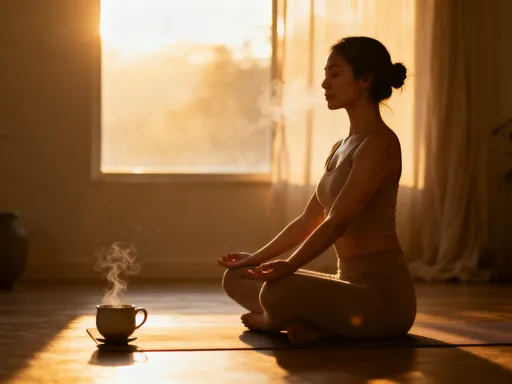
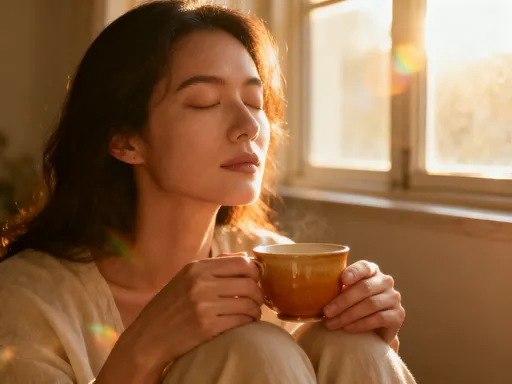
Temperature changes also play a role. Splashing cold water on the face or holding a warm cup of tea activates the dive reflex, a physiological response that slows the heart rate and promotes relaxation. Weighted blankets, another popular tool, apply gentle pressure that mimics a comforting hug, reducing cortisol levels and increasing serotonin and melatonin production.
Creating personalized grounding rituals enhances their effectiveness. For example, a woman might keep a smooth stone in her pocket to touch during stressful moments, or practice a “hand-on-heart” pause each morning. These small, intentional acts build a sense of safety and continuity, reminding the body that it is not under threat. Over time, sensory grounding becomes a reliable refuge, a way to return to center no matter how chaotic life feels.
Building a Body-Based Anxiety Toolkit
The most effective approach to managing anxiety is not relying on a single technique, but integrating multiple body-based tools into daily life. This means combining breath, movement, posture, and sensory practices into a personalized routine that supports nervous system regulation. A sample structure might include a morning reset with diaphragmatic breathing and gentle stretching, a midday tune-in with a posture check and brief walk, and an evening wind-down with a grounding ritual like a warm bath or hand-on-heart reflection.
Consistency matters more than duration. Even two minutes of intentional breath work or a single mindful stretch can make a difference when practiced regularly. The goal is not perfection, but presence. Over time, these small actions accumulate, increasing emotional resilience and reducing reactivity to stressors. Women who adopt this approach often report feeling more grounded, less reactive, and more in tune with their bodies.
It’s important to note that body-based practices are not a cure for anxiety, nor should they replace professional care when needed. However, they offer a sustainable, science-aligned path to greater calm. Unlike quick fixes that provide temporary relief, these methods work with the body’s natural rhythms to foster lasting change. They require no special equipment, no expensive treatments, and no drastic lifestyle overhauls—just a willingness to listen.
By tuning in rather than zoning out, you give your nervous system the safety it has been asking for. You begin to see physical sensations not as enemies to be suppressed, but as allies offering guidance. This shift in perspective is profound. It transforms anxiety from a source of fear into an opportunity for connection—a chance to deepen your relationship with yourself. In a world that often pulls attention outward, this inward focus becomes a quiet act of resistance, a way of reclaiming peace one breath, one step, one moment at a time.