Art in the Air: How Stockholm’s Scenic Spots Steal Your Soul
You know that feeling when a city just gets you? Stockholm did that to me. Between its sun-drenched archipelago views and cobblestone lanes lined with colorful buildings, I realized—this isn’t just scenery, it’s living art. Every bridge, square, and shoreline feels painted with intention. I never expected a trip to blend nature, design, and emotion so perfectly. This is more than sightseeing—it’s soul-stirring. From the moment you arrive, Stockholm wraps you in a quiet elegance, where water mirrors the sky and architecture seems to breathe history. It’s a city that invites you not just to look, but to feel. And in that feeling, you begin to understand: beauty here isn’t accidental. It’s cultivated, celebrated, and woven into daily life.
The First Glimpse: Arriving in Stockholm with an Artist’s Eyes
Arriving in Stockholm by train from Arlanda Airport is like stepping into a carefully composed photograph. As the Arlanda Express glides through the Swedish countryside, the landscape gradually shifts from dense pine forests to open meadows, then to the shimmering ribbons of water that define the region. The first true glimpse of the city comes as the train crosses the long bridge over the Roslagen coast, where sunlight dances across inlets and small islands dot the horizon like brushstrokes on canvas. This is not just a commute—it’s a visual overture, a slow unveiling of a city built on water and light.
What strikes most travelers immediately is the clarity of the air and the way light behaves in Stockholm. The city sits on the edge of the Baltic Sea, where long summer days stretch into twilight and winter sunrises arrive in soft pastels. From the train window, the skyline emerges in layers: modern glass towers in the distance, historic rooftops closer in, and the unmistakable spires of Gamla Stan rising from its island perch. The interplay of reflection and transparency gives the city an ethereal quality, as if it floats between land and sea.
By the time the train pulls into Stockholm Central Station, many visitors already feel a subtle shift in mood. The city doesn’t overwhelm with noise or chaos; instead, it offers a calm, ordered beauty. And for those attuned to aesthetics, this first impression is powerful. The golden hour, just before sunset, casts a warm glow over the red and ochre buildings of the old town, making them appear as though illuminated from within. This moment—when light, water, and architecture align—marks the beginning of a deeper connection. It’s not just arrival; it’s recognition. You’ve entered a place where beauty is not an afterthought, but the very foundation of place.
Gamla Stan: Where History Paints the Streets
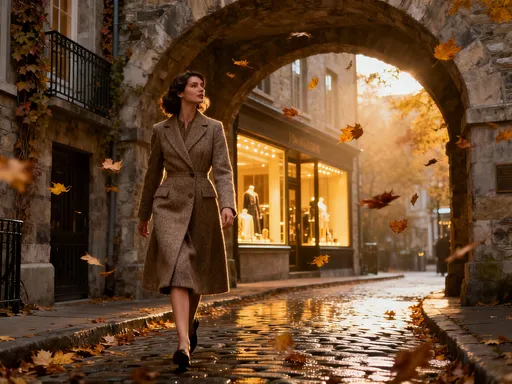
Gamla Stan, Stockholm’s medieval heart, feels less like a tourist destination and more like a living museum of color, texture, and time. Its narrow alleys, paved with centuries-old cobblestones, twist and turn like the lines of an intricate drawing. Buildings lean slightly toward one another, their facades painted in deep blues, warm yellows, and earthy reds—colors that seem to have been chosen not just for charm, but for emotional resonance. Walking here is like moving through a painting by Canaletto or Vermeer, where every corner reveals a new composition of light and shadow, stone and timber.
The artistry of Gamla Stan is not confined to its architecture. Street performers bring melody to the air—violinists near Stortorget, harpists in quiet courtyards, and dancers in historic costumes during festival seasons. Open-air galleries display local artists’ work, often capturing the very scenes that surround them: harbor views, gabled rooftops, and the ever-present water. These spontaneous encounters with creativity reinforce the idea that art in Stockholm is not something kept behind glass—it’s part of the rhythm of daily life.
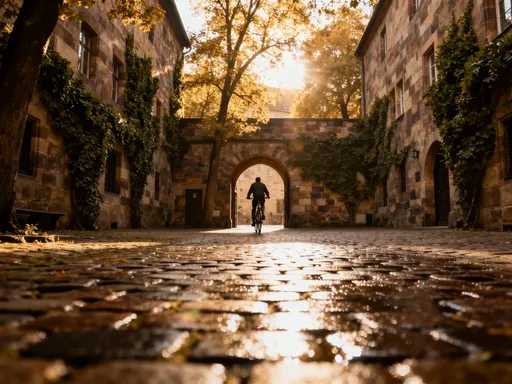
What makes Gamla Stan feel so deeply artistic is its sense of continuity. Unlike reconstructed historical districts in other cities, this neighborhood has been continuously inhabited for over 700 years. The buildings bear the marks of time—weathered stone, hand-carved doorways, iron railings shaped by local smiths—and each detail tells a story. Even the way sunlight filters down the alleyways at midday creates a chiaroscuro effect, reminiscent of Renaissance paintings. For visitors, this immersion in history and design fosters a quiet reverence. You don’t just observe the beauty; you become part of it, your footsteps echoing through centuries of craftsmanship and care.
Djurgården’s Natural Canvas: Art Born from Nature and Museums
If Gamla Stan is Stockholm’s historic masterpiece, Djurgården is its living landscape painting. This large island in the Saltsjön bay offers a seamless blend of wild nature, curated gardens, and world-class cultural institutions. From the moment you step onto its tree-lined paths, the city’s noise fades, replaced by birdsong, rustling leaves, and the gentle lap of water against the shore. Here, nature itself becomes the primary medium of artistic expression, with seasonal changes acting as the artist’s brush.
The island is home to several major attractions, each contributing to its artistic atmosphere. Skansen, the world’s oldest open-air museum, recreates traditional Swedish life with historic farmhouses, craftspeople at work, and native animals in naturalistic enclosures. It’s not just educational—it’s a sensory experience, where the scent of pine tar, the sound of blacksmiths’ hammers, and the sight of handwoven textiles create a living tapestry of culture. Similarly, the Vasa Museum, built around a 17th-century warship salvaged from the sea, turns maritime history into a dramatic visual narrative. The sheer scale of the ship, preserved in astonishing detail, feels like walking into a Baroque painting of naval power and human ambition.
But Djurgården’s true artistry lies in how its green spaces are designed to inspire contemplation. Paths meander through forests and meadows, framed by wildflowers in summer and golden birch leaves in autumn. Sculptures are placed thoughtfully throughout—some abstract, others figurative—inviting quiet reflection. The Rosendal Garden, with its organic layout and emphasis on sustainability, feels like a living sculpture, where nature and human care coexist in harmony. For families, couples, and solo travelers alike, Djurgården offers a space where beauty is not observed from a distance, but experienced through walking, breathing, and being present.
Skeppsholmen: Modern Art Meets Maritime Light
A short walk from the city center, across a slender bridge, lies Skeppsholmen—a quiet island that pulses with contemporary creativity. Once a naval base, it has been transformed into a hub for modern art, with the Moderna Museet as its centerpiece. This museum houses an impressive collection of international and Swedish modern art, including works by Picasso, Dali, and local icon Hilma af Klint. But the real magic of Skeppsholmen isn’t just inside the galleries—it’s in the way the art interacts with its surroundings.
The museum’s large glass walls reflect the Baltic Sea, creating a dynamic dialogue between the artworks within and the ever-changing sky and water outside. On clear days, sunlight floods the exhibition halls, altering the way colors appear on canvas. In winter, the gray sea and pale light lend a meditative quality to the space. Even the outdoor areas are curated: sculptures by artists like Louise Bourgeois and Alexander Calder stand on the quay, their forms contrasting with the fluidity of the water behind them. This integration of art, architecture, and environment makes Skeppsholmen a model of how culture can enhance natural beauty, rather than compete with it.
For those who wander beyond the museum, Skeppsholmen offers hidden treasures. Locals know about the quiet benches along the eastern shore, where you can sit with a book or a thermos of coffee and watch sailboats glide past. There are also lesser-known photo spots—angles where the city skyline frames the horizon perfectly, or where the reflection of old naval buildings shimmers in the tide. These moments of stillness, away from tourist crowds, reveal another layer of Stockholm’s artistry: the beauty of solitude, the elegance of simplicity, and the joy of discovering something quietly magnificent.
City Views That Feel Like Masterpieces
Stockholm is a city of vantage points, where urban planning and natural topography combine to create views that feel deliberately composed. Two of the most celebrated spots—Fjällgatan and Monteliusvägen—offer panoramic perspectives that have inspired photographers, painters, and poets for generations. These are not just scenic overlooks; they are emotional experiences, carefully framed by trees, water, and architectural harmony.
Fjällgatan, a short street on the southern ridge of Södermalm, provides one of the most iconic views of Gamla Stan. From its stone railing, you look across the water to the old town’s clustered rooftops, church spires, and pastel-colored facades. In the foreground, leafy branches frame the scene like a natural picture frame, while boats pass silently below. The view changes with the light—golden in the morning, soft and blue at dusk—making it a favorite for both early risers and evening strollers. What makes Fjällgatan special is its accessibility; you don’t need a ticket or a long hike to experience it. Beauty here is democratic, available to anyone who takes the time to pause and look.
Equally powerful is Monteliusvägen, a walking path along the western edge of Södermalm that faces Lake Mälaren. At sunset, this trail becomes a stage for one of nature’s most breathtaking performances. The sky ignites in hues of pink, orange, and lavender, reflecting off the calm water and silhouetting the city’s skyline. Couples, families, and solo travelers gather on the rocks to watch, often in silence. The experience is both intimate and communal—a shared moment of awe. Urban planners have preserved this view deliberately, restricting building heights and maintaining green buffers to protect the sightlines. This foresight shows how Stockholm values beauty not as decoration, but as a public good.
Beyond the Center: Archipelago Escapes and Artistic Silence
To truly understand Stockholm’s artistic soul, one must leave the city behind and venture into its archipelago. A short ferry ride from the central harbor opens a world of over 30,000 islands, each with its own character and quiet beauty. Places like Vaxholm, Grinda, and Utö offer a different kind of artistry—one defined not by museums or monuments, but by simplicity, stillness, and the rhythm of nature.
The journey itself is part of the experience. As the ferry pulls away from the mainland, the skyline shrinks into the distance, replaced by clusters of rocky islets, pine-covered shores, and wooden boathouses perched on stilts. The air grows cooler, scented with salt and pine. Onboard, passengers often fall into quiet conversation or simply gaze out the window, lulled by the gentle rocking of the boat. This transition—from urban energy to island calm—prepares the mind for a deeper kind of seeing.
On the islands, life moves at a different pace. Small red cottages with white trim sit beside weathered docks, their colors softened by time and weather. There are no grand galleries here, but art reveals itself in other forms: the pattern of moss on stone, the way light filters through birch leaves, the symmetry of a row of buoys floating in a bay. Some islands have public saunas, where locals gather to relax and socialize, blending wellness with tradition. Others offer hiking trails that lead to lookout points with unobstructed views of the sea. These experiences are not about spectacle, but about presence. They remind us that beauty often resides in the ordinary, and that silence can be as expressive as any painting.
Stockholm Through the Seasons: How Light Transforms the City’s Palette
One of Stockholm’s most remarkable qualities is how it changes with the seasons, each bringing a new artistic palette. The city’s relationship with light is central to its identity, shaping not only how it looks, but how it feels to be there. Travelers who choose their visit based on visual preference will find that each season offers a distinct aesthetic experience, from the luminous energy of summer to the introspective mood of winter.
Summer in Stockholm is defined by nearly 18 hours of daylight. The sun rises early and sets late, bathing the city in a golden glow that lingers into the night. This abundance of light enhances colors, making red roofs appear brighter, water more vivid, and green spaces more lush. Outdoor cafes overflow, parks fill with picnickers, and the archipelago becomes a playground for boaters and swimmers. Public art installations are especially vibrant during this time, often designed to interact with sunlight and shadow. The atmosphere is joyful, expansive, and alive with movement—a season of fullness and expression.
In contrast, winter brings a more subdued but equally powerful beauty. With only about six hours of daylight, the city takes on a quieter tone. The sun, low in the sky, casts long blue shadows and paints the snow in soft lavender and gray tones. Streetlights and café windows glow warmly, creating pockets of intimacy in the cold. Ice forms along the docks, and the archipelago becomes a network of frozen pathways. Yet art thrives in this season too—through Christmas markets with handcrafted ornaments, ice sculptures in public squares, and the annual Stockholm Light Festival, where buildings are illuminated with creative projections. Winter teaches a different kind of appreciation: not for brightness, but for contrast, texture, and the beauty of restraint.
Spring and autumn serve as transitional masterpieces. In spring, the city awakens—cherry blossoms bloom in Kungsträdgården, ducks return to the canals, and the first green shoots appear in parks. Autumn brings a rich tapestry of red, gold, and orange leaves, especially in Djurgården and on the islands. These seasons invite slower exploration, rewarding those who pay attention to subtle changes. For travelers, choosing when to visit depends on what kind of beauty they seek. But no matter the season, Stockholm remains a city where light is the ultimate artist, and every day offers a new composition.
Stockholm doesn’t shout its beauty—it whispers it through light, water, color, and quiet details. This city proves that true art isn’t always behind glass; sometimes, it’s the skyline over coffee, the shadow of a sail on cobblestones, or the silence between islands. Choosing to see Stockholm as a living gallery transforms a simple trip into a sensory journey. Where will your eyes wander next?