You Won’t Believe These Hidden Natural Spots in Valletta
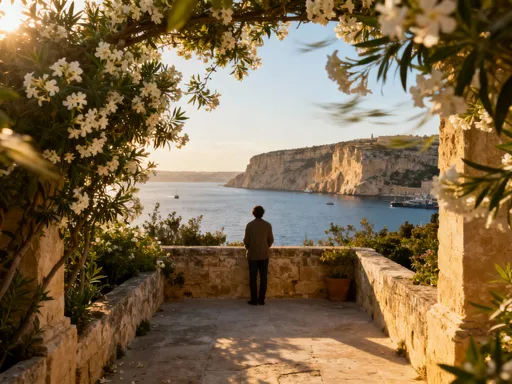
I never expected to find wild beauty in a city as historic as Valletta. But tucked between its golden limestone walls are secret gardens, coastal cliffs, and sun-drenched nature trails that feel worlds away. I’m talking about real, untouched spots where locals go to escape the crowds. From breezy harborside paths to quiet hillside groves, Valletta’s natural side is a revelation. If you're craving greenery and sea air in the middle of a UNESCO gem, stick around—this city has more than meets the eye.
Discovering Nature in an Urban Gem
Valletta, though renowned for its Baroque churches and fortified ramparts, holds a quieter, greener soul beneath its stone facade. This peninsula city, barely over half a square kilometer in size, is perched between two natural harbors—Grand Harbour and Marsamxett Harbour—giving it a unique microclimate shaped by sun, wind, and sea spray. Despite its dense urban fabric, the city integrates nature in subtle but meaningful ways. Lush pockets of green emerge unexpectedly between alleyways, while sea-facing terraces offer unobstructed views of rippling waters and distant shorelines. These natural spaces are not afterthoughts; they are essential to Valletta’s character, offering residents and visitors alike a chance to breathe deeply amid history.
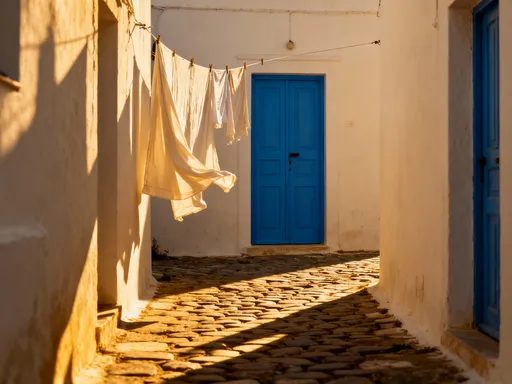
The city’s geographic position plays a crucial role in shaping its natural appeal. Surrounded on three sides by the Mediterranean, Valletta experiences strong sea breezes that temper the summer heat and carry the scent of salt and wild herbs through narrow streets. Its limestone buildings, glowing golden in the sunlight, absorb warmth during the day and release it slowly at night, creating a balanced thermal environment. This interplay between built and natural elements fosters micro-environments where plants thrive in sheltered courtyards and birds find refuge in high parapets. It's this harmonious blend—of human craftsmanship and natural resilience—that makes Valletta’s green spaces so special.
What surprises many first-time visitors is how accessible nature remains within such a compact historic center. Unlike sprawling cities where parks are distant oases, Valletta’s green and blue spaces are woven into daily life. A five-minute walk from bustling Republic Street can lead you to a quiet garden with panoramic sea views or a coastal path where fishing boats bob gently offshore. These spots aren’t just scenic—they serve as vital lungs for the city, improving air quality, reducing urban heat, and offering mental respite. For families, retirees, and travelers seeking calm, these natural interludes provide a grounding counterpoint to the grandeur of museums and cathedrals.
Upper Barrakka Gardens: Where History Meets Horizon
One of Valletta’s most iconic green spaces, the Upper Barrakka Gardens, offers a perfect example of how history and nature coexist. Originally laid out in the 17th century as a private garden for knights of the Italian Langue of the Order of St. John, it was opened to the public in the 19th century and meticulously restored in the 2000s. Perched atop the city’s highest bastion, the garden provides sweeping views of the Grand Harbour, including the Three Cities across the water—Vittoriosa, Senglea, and Cospicua. From this vantage point, the movement of ferries, cargo ships, and yachts unfolds like a living map of maritime activity.
The sensory experience here is unforgettable. As you stroll along symmetrical pathways lined with citrus trees and fragrant jasmine, the sound of the daily noonday gun echoes from Fort St. Elmo, a tradition dating back centuries. The blast reverberates across the harbor, startling seabirds into flight and reminding visitors of Valletta’s military past. Benches shaded by palm trees invite quiet contemplation, while stone balustrades offer ideal spots for photography. Families often pause here for a picnic, spreading out on the manicured lawns with views stretching to the horizon. It's a place where time slows, and the vastness of the sea puts life into perspective.
Beyond its beauty, the Upper Barrakka Gardens serves an important cultural function. It hosts occasional outdoor concerts and art installations, blending leisure with heritage. Educational plaques explain the garden’s evolution and the fortifications below, enriching the visitor experience. For older adults and those with mobility challenges, the site is largely accessible, with gentle slopes and clear signage. The garden also features a café where one can enjoy a cool drink while watching the sun dip below the cliffs—an experience that locals cherish and tourists remember long after they leave.
Hastings Gardens: A Green Escape Above the City
Just a short walk south of the city center, Hastings Gardens offers a more secluded and shaded alternative to its northern counterpart. Stretching along the fortifications toward Floriana, this linear park is less frequented by tourists, making it a favorite among locals seeking solitude. Planted with native Mediterranean species—olive trees, carob trees, and aromatic herbs like rosemary and thyme—the garden thrives in the limestone soil and coastal climate. Its elevated position ensures a steady breeze, making it a cool refuge even on the hottest summer afternoons.
The walking paths here are gently winding, inviting slow exploration. Stone steps lead down to lower terraces, where hidden benches offer intimate views of the Marsamxett Harbour and the fishing village of Kalkara. Unlike the formal layout of Upper Barrakka, Hastings Gardens feels more organic, almost wild in places, with vines climbing old walls and wildflowers blooming in crevices. Birdwatchers appreciate the presence of swallows, kestrels, and even the occasional hoopoe, drawn to the garden’s quiet corners. For families with children, it’s a safe and shaded place for a stroll, while older visitors find it ideal for gentle exercise and fresh air.
What makes Hastings Gardens particularly valuable is its role as a green buffer between urban zones. It separates the density of Valletta from the adjacent towns, helping to reduce noise pollution and maintain cooler temperatures. Environmental planners recognize such spaces as essential for urban resilience, especially in the face of climate change. The garden also connects to other green corridors, forming part of a larger network of walking routes that encourage active lifestyles. Whether you’re reading a book under a tree or simply pausing to listen to the wind, Hastings Gardens offers a rare commodity in city life: peace.
The Barrakka Lift and Waterfront Pathways
Descending from the Upper Barrakka Gardens via the modern Barrakka Lift is an experience in itself—a seamless blend of contemporary design and historic context. This vertical elevator, opened in 2012, connects the upper city with the lower harbor area in just 20 seconds, dramatically improving accessibility. Once at the bottom, visitors step directly onto the Tigné Point promenade, a revitalized waterfront stretch that follows the curve of the peninsula. Here, nature and urban design come together in a way that feels both modern and timeless.
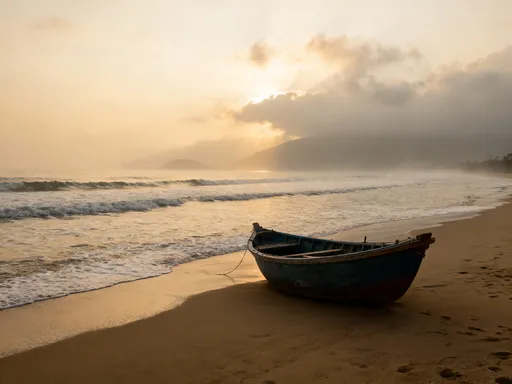
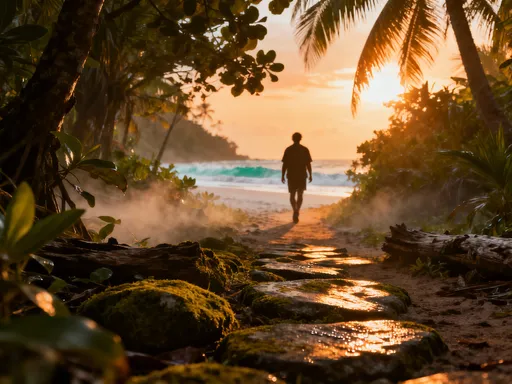
The coastal pathway invites long, unhurried walks with uninterrupted sea views. The air is crisp, carrying the briny scent of the Mediterranean, while sunlight glints off waves lapping against ancient stone quays. Fishing boats tied to wooden stakes sway gently, their nets drying in the sun. Along the route, salt-resistant plants like sea lavender and prickly pear cactus grow in rocky crevices, evidence of nature’s persistence. Benches and shaded rest areas allow for frequent pauses, making it ideal for older adults or those who prefer a slower pace.
This waterfront corridor extends toward Msida Creek, where a regenerated marina hosts small yachts and eco-friendly docking facilities. The area has been carefully designed to minimize environmental impact while maximizing public access. Walkers can observe herons stalking fish in the shallows or spot mullet darting beneath floating docks. For families, it’s a safe and scenic route for strollers and bicycles. The pathway also links to public transport hubs, encouraging sustainable travel. More than just a scenic route, this coastal trail exemplifies how cities can embrace their natural edges without compromising heritage or ecology.
Fort Ricasoli and the Kalkara Creek Nature Trail
Beyond Valletta’s immediate borders, near the entrance to Grand Harbour, lies Fort Ricasoli—an imposing 17th-century fortress that now serves as a gateway to one of the island’s most promising natural corridors. While the fort itself is undergoing restoration, the surrounding area offers access to the Kalkara Creek Nature Trail, a quiet route favored by local walkers and nature enthusiasts. This path follows the course of a seasonal stream that flows from the higher ground of Valletta down to the sea, creating a green ribbon through an otherwise industrial landscape.
The trail begins near the fort’s outer walls and winds through patches of reed beds, tamarisk shrubs, and wild asparagus plants. Birdlife is abundant, with kingfishers, warblers, and marsh harriers spotted regularly. The sound of rustling reeds and chirping crickets replaces the city’s hum, creating a surprisingly rural atmosphere just minutes from the capital. Interpretive signs along the route explain the local flora and fauna, enhancing the educational value for families and school groups. For photographers, early morning light filters beautifully through the tall grasses, offering serene compositions.
Ecologically, this area plays a vital role in water management and biodiversity. The creek acts as a natural drainage channel, reducing flood risk in nearby neighborhoods, while the vegetation stabilizes the soil and provides habitat for insects and amphibians. Local conservation groups have been working to restore native plant species and remove invasive ones, ensuring the long-term health of the ecosystem. Though still emerging as a formal tourist destination, the Kalkara Creek trail represents a growing trend in Malta—valuing not just monumental heritage, but living landscapes that support both people and nature.
Local Tips for Experiencing Valletta’s Natural Side
To truly appreciate Valletta’s hidden natural gems, timing and preparation make all the difference. Early mornings, especially between 7:00 and 9:00 a.m., are ideal for visiting gardens and coastal paths. The air is freshest, the light is soft, and the city is quiet—perfect for a reflective walk or a family stroll. Late afternoon, from 5:00 p.m. onward, offers golden-hour views and cooler temperatures, making it another excellent window for outdoor exploration. Avoid midday during peak summer months, when the sun is strongest and the streets are busiest with tour groups.
When packing for a day of nature walks, comfort is key. Wear lightweight, breathable clothing and sturdy walking shoes with good grip—some pathways are uneven or shaded and can be slippery. Bring a reusable water bottle to stay hydrated, especially in summer, and apply sunscreen even on cloudy days, as the Mediterranean sun remains strong. A wide-brimmed hat and sunglasses provide additional protection. For families, a small backpack with snacks, a portable umbrella for shade, and a light blanket for impromptu picnics can enhance the experience.
One of the best ways to enjoy Valletta’s natural spaces is to combine them with cultural stops. After a visit to the Upper Barrakka Gardens, for instance, walk a few minutes to St. John’s Co-Cathedral for a dose of art and history. Then, treat yourself to a coffee at a nearby café—many of which use locally grown mint or lemongrass in their herbal teas. Similarly, a walk along the Tigné promenade can be paired with a visit to the Malta Maritime Museum in Vittoriosa, accessible by a short ferry ride. These combinations create balanced, fulfilling days that cater to both the mind and the senses.
For older visitors or those with limited mobility, many of these natural sites are increasingly accessible. The Barrakka Lift eliminates a steep climb, and major gardens have paved or gently sloped paths. Public restrooms and seating areas are available at key points. Local tourism offices provide updated maps and accessibility information, ensuring that everyone can participate in the joy of outdoor discovery. The goal is not to rush through sights, but to savor moments of connection—with nature, with history, and with the rhythm of Maltese daily life.
Why Valletta’s Natural Spaces Matter
In an era of rapid urbanization and climate challenges, the preservation of green and blue spaces in historic cities like Valletta is more important than ever. These areas are not merely decorative; they are functional, contributing to environmental health, public well-being, and sustainable tourism. Trees and plants in the city’s gardens help filter air pollutants, reduce noise, and lower ambient temperatures—critical benefits in a region experiencing rising heat. Coastal paths and wetland areas like Kalkara Creek support biodiversity and serve as natural defenses against erosion and flooding.
Equally significant is the role these spaces play in human health. Studies have consistently shown that access to nature reduces stress, improves mood, and encourages physical activity. For residents, especially older adults and families, Valletta’s gardens and promenades offer safe, free, and welcoming environments for exercise, relaxation, and social connection. For visitors, they provide a more holistic understanding of the city—one that goes beyond museums and monuments to include the everyday beauty of sea breezes, flowering plants, and quiet moments of reflection.
Tourism in Malta has traditionally focused on cultural and historical attractions, but there is growing recognition of the value of natural experiences. Travelers today seek authenticity, balance, and well-being—qualities that Valletta’s hidden green spots deliver in abundance. By promoting these spaces responsibly, the city can attract a more diverse range of visitors while preserving its ecological integrity. This means maintaining clean, well-kept paths, limiting light and noise pollution, and educating the public about conservation.
Ultimately, Valletta’s natural spaces remind us that even in the most historic and built-up environments, nature finds a way to thrive. They invite us to look beyond the expected—to step off the main streets, climb a quiet staircase, or follow a coastal breeze to discover a different side of the city. For 30- to 55-year-old women who value health, beauty, and meaningful travel, these hidden spots offer something rare: tranquility in the heart of a living city. So the next time you visit Valletta, don’t just admire the stone. Breathe the air, listen to the waves, and let the city’s green soul surprise you.