You Won’t Believe Where I Found Nature While Shopping in Kuala Lumpur
You know what’s wild? Finding lush green spaces right in the middle of a shopping paradise. I never expected Kuala Lumpur to blend urban buzz with natural calm so seamlessly. While hunting for deals in air-conditioned malls, I stumbled upon hidden gardens, sky parks, and jungle trails just steps away. This city’s secret? It lets you shop till you drop—then instantly recharge in breathtaking nature. Let me take you through the unexpected harmony of retail therapy and rainforest vibes.
The Urban Paradox: How Kuala Lumpur Merges Shopping and Nature
Kuala Lumpur is widely celebrated as one of Southeast Asia’s premier shopping destinations, home to towering malls, luxury boutiques, and bustling street markets. Yet beneath its polished surface lies a quieter, greener truth: this city has made a deliberate effort to preserve nature within its urban core. Unlike many rapidly expanding metropolises that sacrifice green space for development, KL has embraced an urban planning philosophy that integrates nature into daily life. The result is a rare balance where shopping districts coexist with protected forest patches, park connectors, and riverside trails, offering residents and visitors alike a chance to breathe deeply amid the city’s rhythm.
At the heart of this balance is a long-term commitment to green infrastructure. The city’s master plan includes designated ecological corridors that link parks, hills, and waterways, allowing both people and wildlife to move freely. One of the most striking examples is the proximity of Bukit Bintang—one of KL’s busiest shopping zones—to the 130-million-year-old KL Forest Eco Park. Just a few minutes’ walk from neon-lit storefronts, visitors can step into a dense rainforest canopy, where birds call from treetops and wooden walkways hover above ancient roots. This juxtaposition isn’t accidental; it reflects a city that values accessibility to nature as much as economic growth.
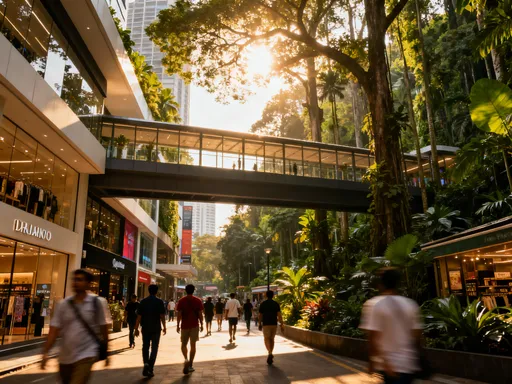
Urban planners in Kuala Lumpur have also prioritized pedestrian connectivity between commercial and natural areas. Sky bridges, shaded walkways, and well-marked trails guide people from shopping centers directly into parks. These pathways are not afterthoughts—they are central to the city’s vision of a livable, human-centered environment. By ensuring that nature is never more than a 15-minute walk away from major retail hubs, KL has redefined what it means to be a modern city. It’s not just about convenience; it’s about fostering a lifestyle where well-being is woven into the urban fabric.
Shopping Malls with a View: Where Retail Meets the Outdoors
Some of Kuala Lumpur’s most iconic malls have taken the integration of nature a step further by embedding green elements directly into their design. Pavilion KL, one of the city’s most visited shopping destinations, features an open-air rooftop garden that offers panoramic views of the city skyline and nearby green hills. Lush planters line the walkways, and water features provide a soothing soundtrack that softens the usual mall clamor. This intentional use of biophilic design—incorporating natural elements into built environments—helps reduce sensory overload and creates a more relaxed shopping experience.
Similarly, Fahrenheit 88, located just across from Pavilion, includes indoor green walls and large glass facades that flood the interior with natural light. These architectural choices do more than enhance aesthetics; they improve air quality and lower indoor temperatures, reducing reliance on air conditioning. The mall’s central atrium features vertical gardens that act as natural air filters, subtly reminding visitors of the benefits of living in harmony with nature. Even during peak hours, the space feels calmer, more grounded—proof that thoughtful design can transform a commercial environment into something restorative.
Perhaps the most seamless connection between shopping and nature is found at Suria KLCC, the mall beneath the Petronas Twin Towers. A wide, tree-lined pedestrian bridge links the mall directly to KLCC Park, a 50-acre green oasis with fountains, jogging paths, and shaded lawns. Families often spend the morning shopping and then unwind in the afternoon with a picnic under the palm trees. The park’s famous fountain show adds a touch of magic at dusk, drawing crowds who have transitioned effortlessly from retail therapy to quiet reflection. These connections aren’t just convenient—they’re transformative, offering a model for how cities can design spaces that serve both commerce and well-being.
KL’s Green Lungs: Exploring the City’s Natural Sanctuaries
Beyond the manicured lawns of urban parks, Kuala Lumpur is home to several natural sanctuaries that serve as vital green lungs for the city. The KL Forest Eco Park, formerly known as the Bukit Nanas Forest Reserve, stands as one of the last remaining patches of tropical rainforest within the city center. Spanning 25 acres, this protected area is home to over 400 species of flora and fauna, including monitor lizards, tree frogs, and rare orchids. A 200-meter canopy walkway allows visitors to glide above the forest floor, offering a bird’s-eye view of the dense canopy and a sense of immersion in the wild.
Another cornerstone of KL’s green network is the Perdana Botanical Garden, part of the larger Lake Gardens complex. Established in 1888 during the British colonial era, this 200-acre park was originally designed as a public garden to bring beauty and order to the growing city. Today, it serves as a living museum of plant life, with themed sections including a fern house, an orchid garden, and a cactus display. The garden’s tranquil lakes and shaded pathways make it a favorite among joggers, families, and elderly couples taking morning strolls. Its central location—just a short walk from Mid Valley Megamall and other retail hubs—makes it easily accessible for spontaneous visits.
What makes these green spaces truly remarkable is not just their beauty, but their resilience. In a city where land is at a premium, the continued protection of these areas speaks to a deep cultural and civic commitment to nature. Local authorities have implemented strict conservation guidelines, limiting construction and regulating visitor numbers to minimize environmental impact. Educational signage throughout the parks helps raise awareness about biodiversity, while guided tours offer deeper insights into the ecological importance of these urban forests. For residents and travelers alike, these sanctuaries are more than scenic backdrops—they are vital refuges that sustain both the environment and the human spirit.
The Ultimate Day Itinerary: Shop, Stroll, and Reconnect
Imagine starting your day with the vibrant energy of Central Market, where handwoven batik, intricate wood carvings, and local crafts line the stalls. The air hums with chatter and the scent of freshly brewed coffee from nearby kiosks. After browsing for souvenirs and sipping a cup of traditional teh tarik, you step outside and follow a shaded pedestrian path toward the KL Forest Eco Park. Within ten minutes, the city noise fades, replaced by the rustle of leaves and the distant call of a hornbill.
The canopy walk offers a moment of awe—suspended above the forest, you feel both exhilarated and at peace. After descending, a short ride on the monorail brings you to the heart of Bukit Bintang, where lunch awaits at a rooftop café with views of the bustling streets below. By mid-afternoon, you’re ready to slow down again. A leisurely stroll through Perdana Botanical Garden leads you to the serene Hibiscus Garden, where Malaysia’s national flower blooms in vibrant reds and pinks.
As the sun begins to dip, you make your way to Suria KLCC, either by train or via the air-conditioned pedestrian link from nearby malls. The late afternoon is perfect for exploring the mall’s designer boutiques and local brands, followed by a light dinner at a garden-facing restaurant. Then, as twilight settles, you step into KLCC Park. The fountains dance in sync with music, children laugh on the playground, and couples sit on benches watching the Twin Towers light up in a cascade of colors. This rhythm—alternating between stimulation and stillness, commerce and calm—defines the ideal KL experience. It’s not about doing more; it’s about feeling more alive through balance.
Hidden Gems: Off-the-Beaten-Path Nature Spots Near Shopping Hubs
Beyond the well-trodden paths of KLCC Park and the Forest Eco Park lie quieter, lesser-known green spaces that offer equally rewarding escapes. Titiwangsa Lake Park, nestled between residential neighborhoods and commercial zones, is a favorite among locals for morning jogs and weekend family outings. The 1.5-kilometer jogging track circles a serene lake, where water lilies bloom and kingfishers dart between reeds. A children’s playground, exercise stations, and shaded picnic areas make it a practical yet peaceful retreat. From nearby shopping centers like Plaza Low Yat or the wholesale markets of Chow Kit, it’s just a 10-minute drive or a short ride on public transit.
Another hidden gem is the Ampang Park walking trail, located near the site of KL’s first shopping mall. Though the original mall has been redeveloped, the surrounding area retains a network of shaded footpaths that follow a gentle stream into the foothills. Early risers often spot monitor lizards basking on rocks or hear the soft cooing of doves in the trees. The trail is especially popular with office workers from nearby towers who use their lunch breaks for a quick immersion in nature. These small, accessible green spaces may not make international travel lists, but they play a crucial role in the daily well-being of the city’s residents.
What unites these off-the-beaten-path spots is their integration into everyday life. They are not remote destinations requiring long journeys; they are woven into the urban landscape, available to anyone with a few spare minutes. Local communities often organize clean-up events and tree-planting initiatives, reinforcing a sense of stewardship. For visitors, discovering these places offers a more authentic glimpse into KL’s culture—one that values quiet moments, family time, and connection to the natural world. In a city that never stops moving, these pockets of calm are not luxuries; they are necessities.
Sustainable Shopping: How Nature-Inspired Design Is Shaping KL’s Retail Future
The integration of nature into Kuala Lumpur’s shopping landscape is no longer just an aesthetic choice—it’s becoming a standard for sustainable urban development. Newer malls like The Exchange TRX are setting a precedent with their commitment to eco-conscious architecture. Set within the Tun Razak Exchange district, this shopping destination features one of the largest rooftop parks in Southeast Asia, spanning over 10 acres. The park is open to the public, offering walking trails, open lawns, and panoramic views of the city, all while serving as a natural insulator that reduces the building’s energy consumption.
Inside, the mall incorporates extensive green walls, rainwater harvesting systems, and energy-efficient lighting powered by solar panels. Natural ventilation strategies minimize the need for artificial cooling, and the use of sustainable materials—from recycled wood to low-emission glass—reflects a broader shift toward environmental responsibility. These features are not hidden; they are highlighted in signage and visitor information, educating the public about sustainable practices in a way that feels accessible and inspiring.
This trend is part of a larger movement in Malaysian urban planning, where developers are increasingly required to meet green building standards such as the Green Building Index (GBI). Malls are no longer judged solely by their retail offerings but also by their environmental impact and contribution to public well-being. As consumer awareness grows, shoppers are beginning to favor spaces that align with their values—places that offer not just products, but peace of mind. In this way, sustainable design is not just good for the planet; it’s good for business.
Why This Balance Matters: The Bigger Picture of Urban Well-Being
The seamless blend of shopping and nature in Kuala Lumpur offers more than just a pleasant travel experience—it reflects a deeper understanding of urban well-being. Research consistently shows that access to green spaces reduces stress, improves mood, and enhances cognitive function. In a city where daily life can be fast-paced and demanding, the ability to step into a forest or sit by a lake within minutes of a shopping center is a powerful tool for mental and physical health. This balance allows people to engage fully with urban life without feeling overwhelmed by it.
KL’s model also holds valuable lessons for other cities grappling with congestion, pollution, and the psychological toll of urban living. By prioritizing green connectivity and sustainable design, the city demonstrates that economic vitality and environmental stewardship are not mutually exclusive. In fact, they can reinforce each other. When people feel good in a space, they are more likely to visit, stay longer, and return—benefiting both local businesses and community well-being.
For travelers, especially women between 30 and 55 who often juggle family, work, and self-care, Kuala Lumpur offers a refreshing alternative to the typical urban itinerary. It invites you to shop with purpose, walk with intention, and rest with ease. You don’t have to choose between indulgence and tranquility; you can have both, often within the same hour. This is the future of thoughtful travel—one where leisure, nature, and everyday life coexist in harmony. So the next time you plan a city break, consider a destination that doesn’t just dazzle you with lights and labels, but also calms you with trees and trails. Kuala Lumpur proves that the most memorable experiences aren’t found in contrast, but in balance.