Where Ancient Art Meets Firelit Feasts in Olympia
You know that feeling when history doesn’t just surround you—it speaks to you? In Olympia, Greece, I didn’t just walk among ruins—I dined beneath them, with olive oil dripping from handmade bread and flames dancing under copper pans. This isn’t your average tourist meal. It’s art—on the plate, in the air, carved into every stone. I never expected a dinner to feel like a performance, but here, food and sculpture share the same soul. The columns of the Temple of Zeus rise like silent sentinels above olive groves, while the scent of thyme and wood smoke curls through evening air. In this sacred valley, where athletes once raced for glory and priests offered sacrifices to the gods, every meal becomes an act of remembrance, a continuation of tradition, a brushstroke on an enduring canvas of culture.
The Art of Place: Why Olympia Feels Like a Living Gallery
Olympia is not merely a destination; it is a living gallery, where the landscape itself curates the experience. Nestled in the verdant heart of the Peloponnese, where the Alpheios and Kladeos rivers weave through ancient groves, the site of the original Olympic Games unfolds as a symphony of stone, sky, and time. Unlike museums that encase history behind glass, Olympia allows you to step directly into the frame. The ruins are not isolated relics—they are integrated into the natural world, their weathered marble harmonizing with rustling plane trees and the soft hush of flowing water. The archaeological site, a UNESCO World Heritage Site, preserves the sacred Altis grove, once dedicated to Zeus, where the Temple of Hera still stands with its original columns, some painted in faint traces of ancient ochre and blue.
What makes Olympia so uniquely artistic is not only its monumental architecture but the way space is orchestrated to inspire awe. The stadium, where athletes once sprinted on packed earth, stretches 212 meters long—its starting and turning lines still visible, worn smooth by centuries of anticipation. Walking its length at dusk, when shadows stretch long and golden, one can almost hear the echo of footfalls and the roar of long-gone crowds. The Philippeion, a circular memorial built by Philip II of Macedon, rises with quiet dignity, its Ionic columns framing the sky like a sculptural crown. Even the scattered fragments of the Statue of Zeus—once one of the Seven Wonders of the Ancient World—are displayed with reverence, their marble folds suggesting divine presence long after the gold and ivory have vanished.
This environment transforms ordinary moments into profound encounters. Sitting on a sun-warmed stone bench near the Prytaneion, where Olympic victors once dined in honor, you begin to feel the weight of continuity. The site does not shout its significance; it whispers it. There are no loudspeakers or flashy exhibits—just the wind, the birds, and the silent testimony of craftsmanship that has endured millennia. When you later sit down to eat in a nearby taverna, the connection feels seamless. The same hands that once carved votive offerings now shape loaves of bread; the same earth that fed ancient priests nourishes modern cooks. In Olympia, art is not something you observe—it is something you inhabit.
Dining as Performance: When Meals Become Cultural Expression
In many places, dinner is a transaction—order, eat, pay, leave. But in Olympia, dining unfolds as a cultural performance, a ritual rooted in centuries of tradition. Here, a meal is not measured in calories or convenience, but in rhythm, presence, and shared intention. Evening gatherings at family-run tavernas often begin as daylight fades, when lanterns are lit and the first notes of a lyra or bouzouki drift through the air. The service is unhurried, almost ceremonial: small plates arrive one by one, each presented with care, as if offering a gift rather than simply serving food.
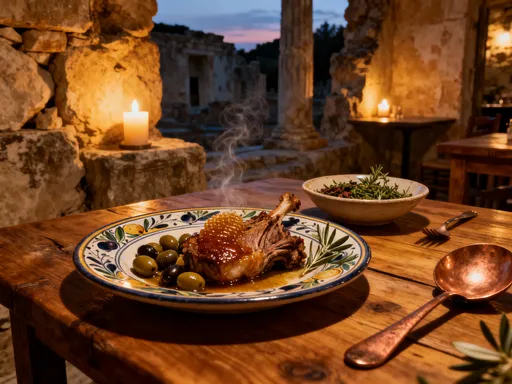
The aesthetic of these meals mirrors the region’s artistic heritage. Plates are often hand-thrown ceramics, glazed in earthy tones reminiscent of ancient pottery found in the museum. The arrangement of food—olives fanned like petals, feta draped in folds like marble drapery—echoes the composition of classical frescoes and mosaics. Even the act of pouring olive oil becomes a gesture of grace, the golden stream catching the candlelight like liquid sunlight. This is not accidental; it is a conscious continuation of an aesthetic that values balance, simplicity, and beauty in everyday acts.
One evening, at a small taverna nestled behind a row of cypress trees, I watched a cook prepare saganaki—a block of cheese flambéed tableside. As he poured a splash of ouzo over the sizzling pan and lit it with a long match, the flames leapt upward, casting dancing shadows on the stone walls. The guests leaned in, not just to eat, but to witness. The moment was fleeting, yet unforgettable—a fusion of fire, flavor, and theater. Such experiences are not staged for tourists; they emerge naturally from a culture that sees cooking as an extension of storytelling. Every dish carries a lineage, every ingredient a memory. To dine here is to participate in a living tradition, where the table becomes a stage and the meal a shared performance of identity and place.
Taste of the Peloponnese: Ingredients Rooted in Myth and Soil
The flavors of Olympia are inseparable from the land that produces them—a region where agriculture is not just an industry, but an art form shaped by climate, terrain, and centuries of practice. The Peloponnese enjoys a Mediterranean climate with hot, dry summers and mild winters, ideal for cultivating olives, herbs, and hardy grains. The soil, rich with limestone and mountain runoff, imparts a distinct minerality to everything it nourishes. This concept of terroir, often associated with wine, applies equally to the region’s honey, cheese, and meats—each carrying the essence of the landscape.
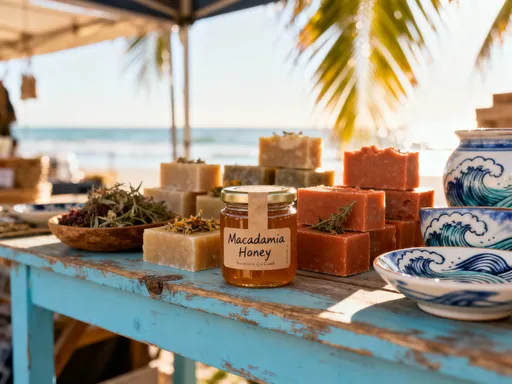
Kalamata olives, perhaps the most famous export of the region, are grown in nearby groves and cured in brine with red wine vinegar and oregano. Their deep purple hue and buttery texture make them more than a garnish—they are a centerpiece, often served with a drizzle of local olive oil so fresh it tastes green and peppery. Equally prized is Nafplio thyme honey, harvested from bees that forage on wild mountain flora. Its amber color and floral bitterness speak of rocky slopes and sea breezes, and it is often paired with tyropita or spread on warm bread still dusted with wood-oven ash.
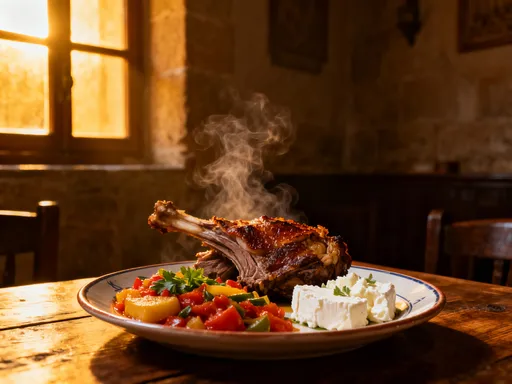
Meat dishes reflect the pastoral traditions of the interior. Free-range lamb, raised on thyme-scented pastures, is slow-roasted over open fires, its skin crisped to perfection. One unforgettable dish I encountered was arrosti, a spit-roasted kid goat seasoned with rosemary, garlic, and lemon, served with roasted potatoes that absorbed the dripping fat. The chef explained that the recipe had been passed down from his grandfather, who cooked for shepherds during the harvest season. Another specialty, mageiritsa, a rich stew made with lamb offal, rice, and avgolemono sauce, is traditionally eaten at Easter but occasionally appears on seasonal menus as a tribute to ancestral cuisine.
What sets these ingredients apart is not just their quality, but the philosophy behind their production. Many local farmers and producers operate on a small scale, using methods unchanged for generations. They do not measure success in yield or profit alone, but in flavor, integrity, and continuity. To eat in Olympia is to taste this commitment—to savor food that is not mass-produced, but hand-tended, seasonally harvested, and deeply connected to place.
Hidden Tables: Finding Authentic Experiences Beyond the Tourist Path
While the main archaeological site draws thousands daily, the most authentic dining experiences in Olympia lie just beyond the well-trodden paths. Venture a few minutes south toward the Alpheios River, or explore neighboring villages like Krestena or Chrysovitsi, and you’ll find family-run tavernas where menus are handwritten, service is personal, and the food carries the warmth of home cooking. These establishments rarely advertise in guidebooks; they rely on word of mouth, returning visitors, and the quiet pride of doing things the right way.
One such place, tucked behind a stone wall draped in bougainvillea, serves only ten tables and opens just for dinner three nights a week. The owner, a retired schoolteacher, greets guests like old friends and explains each dish with quiet passion. Her dolmades, grape leaves stuffed with rice and dill, are rolled so tightly they resemble ancient scrolls, and her fava—a yellow split pea puree—comes topped with capers from a nearby islet. There are no laminated English menus here, no plastic-covered specials board. If you don’t speak Greek, she’ll patiently point to ingredients in the kitchen, letting you choose by sight and scent.
To find these hidden tables, timing and awareness matter. Arrive early in the week, when weekend crowds have not yet arrived, or visit in the shoulder seasons of May or September, when the weather is warm but the sites are less crowded. Avoid restaurants clustered within 200 meters of the main entrance to the archaeological site—many cater to tour groups and rely on volume over quality. Instead, walk toward residential neighborhoods or follow locals after evening services at the village church. Look for signs of authenticity: menus changed daily, wine served in carafes from local cooperatives, and dishes named after family members or villages.
Even a simple effort to speak basic Greek—kalispera (good evening), efharisto (thank you)—can open doors. It signals respect, curiosity, and a willingness to engage. In return, you may be invited to taste a spoonful of something “just out of the oven,” or offered a glass of homemade rakomelo—a warming blend of raki and honey—after your meal. These moments, small and unscripted, are the soul of travel.
Artisan Encounters: Potters, Chefs, and the Craft of Making
In Olympia, the boundary between art and life is beautifully blurred. This is a place where creation is not confined to galleries or studios, but woven into daily practice—whether shaping clay, baking bread, or preparing a stew. A growing number of local artisans are reviving ancient techniques, blending heritage with innovation in ways that invite travelers to participate, not just observe. One such experience takes place at a ceramic workshop just outside the village, where a third-generation potter teaches visitors to form bowls on a kick wheel using methods unchanged since antiquity.
The workshop begins with a walk through the surrounding hills to gather wild clay, which is then sifted, soaked, and kneaded by hand. As you shape your vessel, the potter shares stories of Minoan and Mycenaean pottery, pointing out how the curves and handles of ancient storage jars were designed for both beauty and function. Once fired in a wood-burning kiln, these bowls are not mere souvenirs—they are functional art, often used in nearby tavernas for serving tzatziki or olives. Some workshops culminate in a communal meal, where participants eat from the dishes they’ve made, turning the act of creation into a shared feast.
Similarly, local chefs are reinterpreting traditional recipes with artistic precision. At a bakery in the hills, a young baker uses a wood-fired oven modeled after ancient designs, baking sourdough loaves that rise slowly over 24 hours. The crust crackles like old parchment, and the crumb is moist and complex. He pairs his bread with olive oil pressed from trees that predate the Ottoman era, explaining that each batch captures the mood of the season—dry summers yield sharper oil, while wet springs produce something softer, greener.
These encounters do more than teach skills; they foster connection. When you shape a bowl or break bread from a wood-fired oven, you become part of a lineage. You are no longer a spectator, but a participant in a living culture. The artisan does not see you as a customer, but as a collaborator in preserving something precious. In this way, art is not something you buy—it is something you live.
Sunset to Starlight: Timing Your Visit for Sensory Magic
To fully experience Olympia’s magic, timing is everything. The day should begin in the late afternoon, when the heat of the sun begins to soften and the light turns golden. This is the ideal moment to explore the archaeological site, when the marble glows with a warm, honeyed hue and the shadows of columns stretch across the ground like fingers. Fewer visitors mean greater intimacy with the ruins, and the cooler air makes walking through the stadium or temple grounds a pleasure rather than a chore.
As dusk approaches, shift your focus to the village. Many tavernas begin service around 7:30 or 8:00 p.m., when the first candles are lit and the scent of grilled meat begins to fill the air. Arriving early allows you to secure a table in the courtyard or under the pergola, where strings of lights mimic the stars above. The transition from daylight to darkness is gradual, marked by the soft chime of church bells and the distant laughter of families gathering for dinner.
After the meal, take a quiet stroll along the Kladeos River or through the sacred grove. Without the daytime crowds, the site takes on a meditative quality. The stones seem to hum with memory, and the air carries the faint scent of wild thyme and damp earth. On clear nights, the sky above Olympia is remarkably dark, free from city light, revealing constellations that ancient Greeks once used for navigation and myth-making. Standing beneath them, it’s easy to feel a sense of continuity—that you are part of a long, unbroken thread of human experience.
Logistically, it’s wise to plan ahead. During peak season (June to August), many restaurants require reservations, especially on weekends. Some smaller venues may close between January and March, so verify opening times if traveling in winter. Public transportation is limited, so renting a car offers the most flexibility for exploring surrounding villages and artisan workshops. But above all, allow time—time to linger, to listen, to let the place settle into your bones.
Carrying the Flame: How This Journey Changes the Way You Eat
Leaving Olympia, I carried more than souvenirs. I carried a new understanding of what it means to eat with intention. In a world of fast food and digital distractions, Olympia reminds us that meals can be sacred—not because they are elaborate, but because they are mindful. Here, food is not fuel; it is memory, identity, and connection. It is a way of honoring the past while nourishing the present.
This journey reshapes your values as a traveler. You begin to seek destinations not for their photo opportunities, but for their depth—the places where culture is not performed for tourists, but lived by locals. You learn to appreciate slowness, to savor the pause between courses, the warmth of handmade pottery, the story behind a jar of honey. You realize that authenticity is not a marketing term, but a practice—a daily choice to do things well, with care and continuity.
Olympia teaches that art is not confined to museums. It lives in the curve of a spoon, the crackle of bread, the flicker of firelight on stone. It is passed down not in textbooks, but at tables, in kitchens, in fields. And when you return home, you may find yourself setting the table a little more carefully, lighting a candle for dinner, or seeking out local producers who treat their craft as a form of expression.
So let Olympia be more than a destination. Let it be an invitation—to eat slowly, to travel deeply, to live artfully. For in the end, the most enduring journeys are not measured in miles, but in moments that stay with you long after the flame has dimmed.