You Won’t Believe These Hidden Leisure Gems in the Loire Valley
If you think the Loire Valley is just castles and wine, think again. I spent two weeks exploring beyond the brochures and discovered a side of this French paradise most travelers miss—cozy bookshops by the river, sun-drenched village squares with local markets, and tucked-away spas where time slows down. It’s not just about sightseeing; it’s about feeling the rhythm of leisure here. This is real, slow living at its finest. Away from the tour buses and guided groups, the valley reveals a quieter heartbeat: one shaped by morning strolls along the riverbank, unhurried conversations over coffee, and afternoons lost in gardens where lavender sways in the breeze. This is a place where life unfolds gently, inviting visitors not to rush, but to rest, reconnect, and rediscover the simple joy of being present.
The Soul of the Loire: More Than Just Châteaux
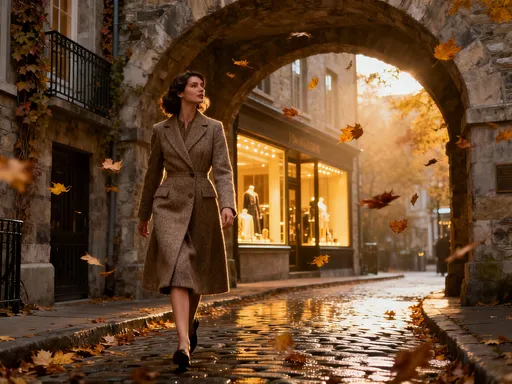
The Loire Valley is often celebrated for its architectural splendor—its fairytale châteaux rising from misty mornings like something out of a dream. Chambord, Chenonceau, and Azay-le-Rideau draw admirers from across the globe, and rightly so. These monuments are masterpieces of Renaissance design, testaments to centuries of artistry and ambition. Yet, to reduce the region to its palaces is to miss its deeper charm. Beyond the grand facades lies a culture of calm, a daily rhythm that prizes presence over performance. In towns like Amboise and Saumur, life unfolds at a pace that feels almost forgotten elsewhere. Residents greet one another by name at bakeries, linger over espresso at sidewalk tables, and gather in the evenings for long walks along the Loire River. There is no rush, no pressure to be anywhere fast. This is not tourism—it is living, deeply and deliberately.
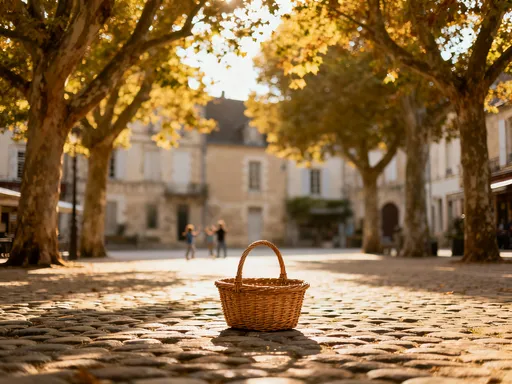
What makes this way of life so compelling is its authenticity. Unlike destinations where local customs are staged for visitors, the Loire’s leisure is not a show. It is embedded in the fabric of everyday routines. A retiree reads a newspaper beneath a chestnut tree in Blois’ central square. Children chase bubbles in the fountain while parents sip rosé nearby. A couple shares a baguette and cheese on a bench overlooking the water, their conversation drifting into silence as the sun dips below the horizon. These moments are not curated; they are lived. And for the traveler willing to slow down, they become invitations—to pause, to observe, to breathe. The true soul of the Loire is not in its stone towers, but in the quiet grace of its people and their unhurried days.
Riverside Escapes: Where Locals Unwind
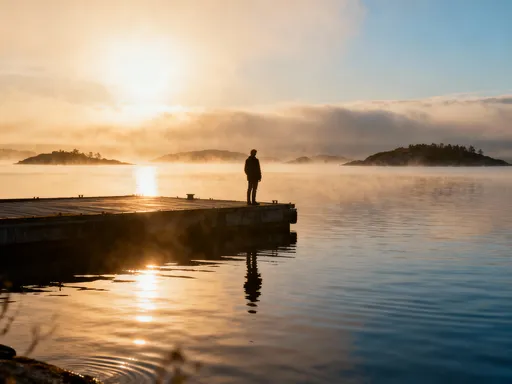
The Loire River is the lifeblood of the region, shaping both its landscape and its lifestyle. While many visitors admire it from castle terraces, the real magic happens at eye level—along its banks, where locals gather to unwind in simple, meaningful ways. At dawn, kayakers glide silently across glassy waters, their paddles dipping in rhythm with the morning light. The air is cool, the birdsong clear, and the world feels untouched. This is not a crowded tourist activity, but a personal ritual, a way to start the day in stillness. Kayak rentals are readily available in towns like Saint-Pierre-des-Corps and Sully-sur-Loire, offering access to stretches of the river that remain peaceful even in high season.
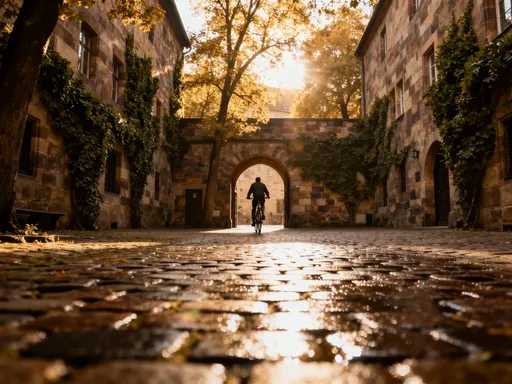
For those who prefer solid ground, the towpaths that run alongside the river are perfect for cycling or walking. These tree-lined trails stretch for miles, connecting villages and vineyards with gentle gradients and frequent resting spots. Families pedal along with children in trailers, stopping to feed ducks or sketch the scenery. Couples share a picnic on a grassy bank near Chaumont-sur-Loire, where the water bends into a quiet cove. Public parks like Parc de la Perrine in Angers or the green spaces along the Cher River tributary provide safe, welcoming environments for all ages. What stands out is the ease of access—no tickets, no reservations, no crowds. These are communal spaces, cherished by residents and open to all. In a world that often feels over-scheduled and overpriced, the Loire’s riverside escapes offer something rare: the freedom to simply be outdoors, undisturbed and at peace.
Village Markets: Leisure with a Taste of Local Life
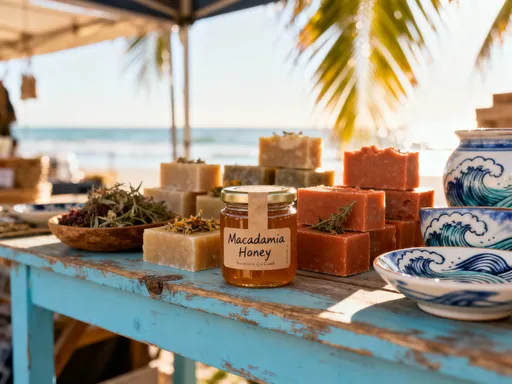
One of the most delightful ways to experience the Loire Valley’s culture of leisure is through its weekly village markets. These are not tourist bazaars selling souvenirs, but vibrant community gatherings where food, conversation, and connection come together. In towns like Blois, Loches, and Montrichard, the markets unfold every morning, transforming quiet squares into bustling hubs of color and scent. Stalls overflow with ripe cherries, plump tomatoes, wheels of goat cheese dusted with ash, and baskets of wild strawberries still warm from the sun. Artisans display handmade soaps, linen napkins, and jars of lavender honey, each item reflecting the care of its maker.
But the real value of these markets lies not in what you buy, but in how you spend your time there. Vendors greet regulars by name, offering samples with a smile. A woman in a floral apron hands you a slice of melon, insisting you taste its sweetness. A farmer explains how he rotates his crops to preserve the soil. These exchanges are not transactions—they are moments of human connection, unfolding at a pace that allows for laughter, storytelling, and lingering. Shoppers move slowly, comparing prices, sniffing herbs, and debating which cheese to pair with tonight’s wine. Children dart between stalls, clutching paper cones of roasted nuts. There is no rush, no pressure to move on. For visitors, participating in this rhythm is a gift—a chance to step into the daily life of the region, to feel welcomed, not just observed. These markets are not just places to shop; they are spaces where leisure and community intertwine.
Hidden Courtyards and Garden Retreats
While the châteaux gardens of the Loire are famous, some of the most peaceful green spaces are lesser known—hidden courtyards, monastic gardens, and quiet terraces attached to small cultural centers. These sanctuaries offer a different kind of beauty: intimate, contemplative, and free from crowds. One such place is the Jardin des Plantes in Angers, a 19th-century botanical garden that feels like a secret. Paths wind beneath centuries-old trees, past fountains and medicinal herb beds. Benches invite visitors to sit and read, sketch, or simply close their eyes and listen to the rustle of leaves. Unlike the formal symmetry of royal gardens, this space feels alive, evolving with the seasons and encouraging a slower kind of attention.
Another gem is the cloister at Fontevraud Abbey, once home to Eleanor of Aquitaine. Surrounded by arched stone walkways and shaded by plane trees, the courtyard exudes a meditative calm. Pilgrims once walked these paths in silence, and today’s visitors often do the same. The air is cool, the light dappled, and the only sounds are footsteps and distant birdsong. Nearby, the terraced gardens of the Musée des Blindés in Saumur offer a surprising contrast—military history above ground, serenity below. Small museums and cultural houses throughout the region often have similar hidden spaces: a walled garden behind a library, a vine-covered patio beside a music school. These places are not advertised heavily, but they are there for those who seek them. They are not about spectacle, but about stillness—a reminder that true leisure sometimes means doing nothing at all, just being present in a beautiful, quiet place.
Wellness Amid Vineyards: The Rise of Quiet Relaxation
In recent years, the Loire Valley has quietly embraced wellness, not in the form of flashy spas or luxury retreats, but through low-key, nature-based experiences that align with its gentle pace. In Bourré, a village known for its troglodyte homes carved into limestone cliffs, small wellness centers offer thermal baths fed by natural springs. These are not crowded resorts, but modest facilities where visitors soak in warm mineral water while listening to the quiet hum of the surrounding hills. The focus is on restoration, not indulgence—on letting the body unwind and the mind settle after days of travel or daily stress.
Elsewhere, converted farmhouses host yoga and meditation workshops, often led by local instructors who live in the region year-round. These sessions are held in sunlit barns or shaded courtyards, with views of rolling vineyards and distant church spires. The practice is accessible, not intense—gentle stretching, breathwork, and guided reflection. Participants are encouraged to arrive with no expectations, to simply listen to their bodies and the rhythm of the land. Some wellness farms also offer herbal workshops, teaching visitors how to use local plants like chamomile and thyme for natural remedies. These offerings are not marketed as quick fixes, but as invitations to slow down and reconnect—with oneself, with nature, with the quiet wisdom of rural life. The Loire’s approach to wellness is not about transformation, but about return: to balance, to presence, to the simple act of breathing deeply in a peaceful place.
Café Culture and the Art of Doing Nothing
No exploration of leisure in the Loire Valley would be complete without acknowledging its café culture—a daily ritual that turns idleness into an art form. In towns like Tours, Chinon, and Saumur, cafés line the historic squares, their outdoor tables filled from morning until dusk. Locals arrive with newspapers, books, or simply their thoughts, ordering a café crème and settling in for an hour or more. There is no expectation to order multiple drinks or vacate the table quickly. In fact, staying put is the norm. A man in a beret reads a novel, sipping his coffee in silence. Two women laugh over shared pastries, their conversation meandering from family to weather to nothing at all. A traveler sketches the fountain across the square, her notebook open for hours.
This culture of lingering is rooted in the French concept of flâner—to stroll or wander without purpose. It is not laziness, but a deliberate choice to be present, to observe, to let time unfold naturally. In a world that glorifies productivity, this act of doing nothing is quietly radical. It is also deeply social. The café is not just a place to drink coffee; it is a living room for the community, a stage for everyday life. Children play nearby, dogs nap under tables, and waiters greet regulars with familiar warmth. For visitors, embracing this rhythm means resisting the urge to check the watch, to rush to the next attraction. Instead, it means ordering a drink, finding a seat, and allowing yourself the luxury of stillness. In the Loire Valley, the best moments are often the ones that don’t appear on any itinerary—the quiet hour at a café table, the sun on your face, the world moving gently around you.
Designing Your Own Slow Itinerary
Planning a leisure-first trip to the Loire Valley requires a shift in mindset. Instead of packing every day with visits to châteaux, consider building an itinerary around rhythm, not checklists. Start by choosing walkable towns—Amboise, Azay-le-Rideau, or Loches—where you can stay in a small hotel or guesthouse within easy reach of the river, markets, and cafés. Rent a bicycle; it’s the perfect way to cover ground without losing the sense of connection to the landscape. Plan your days around local rhythms: time your arrival to coincide with a morning market, schedule a midday garden visit when the light is soft, and leave evenings open for spontaneous discoveries.
Build in downtime. Book a massage at a troglodyte wellness center, spend an afternoon reading in a riverside park, or simply sit in a café and watch the world go by. Let go of the need to see everything. Instead, choose one or two châteaux to visit deeply—explore their gardens, linger in their libraries, and return at different times of day to see how the light changes. Prioritize experiences that invite presence: a wine tasting with a small producer who shares stories of the harvest, a picnic with bread and cheese bought from the market, a sunset walk along the towpath. Leave room for the unexpected—a street musician playing accordion in a village square, a farmer inviting you to taste a peach from his orchard, a sudden rain shower that sends everyone running for cover under café awnings. These unplanned moments are often the most memorable. The key is not to plan every minute, but to create space for the valley’s quiet magic to find you.
The Loire Valley’s greatest luxury isn’t gilded ceilings or fine wine—it’s time. Time to breathe, to wander, to simply be. By stepping off the tourist trail and into its quiet leisure spaces, you don’t just visit France—you live it. Let this region remind you that the best journeys aren’t measured in miles, but in moments of peace.