Lost in Montreal’s Local Life: A Shopper’s Serendipitous Stroll
Wandering through Montreal feels like flipping through the pages of a living, breathing style magazine—every corner offers a new story, a fresh scent, a hidden boutique waiting to be discovered. I didn’t set out with a shopping list, but the city’s rhythm pulled me into an unplanned adventure of textures, flavors, and local craftsmanship. From the cobblestone charm of Old Montreal to the artsy pulse of Plateau, shopping here isn’t transactional—it’s emotional, immersive, and utterly authentic. This is not a city where commerce dominates the streetscape; rather, it weaves seamlessly into daily life, inviting visitors to slow down, observe, and connect. What began as a casual stroll became a journey of sensory discovery, cultural insight, and quiet joy—one where the act of choosing a hand-thrown mug or sampling aged cheddar felt like participating in something deeply personal and profoundly local.
The Art of Aimless Wandering in a Bilingual City
Montreal invites you to wander—not with a map clutched tightly in hand, but with open eyes and an open heart. There’s a rhythm here that resists haste, a cultural ease that makes aimless strolling feel not like indecision, but intention. The city’s bilingual character—where French and English coexist with grace—adds a layer of quiet sophistication, as if every conversation overheard on a park bench or café terrace holds the promise of discovery. Locals often speak of *flânerie*, a concept borrowed from Parisian tradition, which celebrates the art of walking without destination. In Montreal, this isn’t just poetic idealism; it’s a way of life.
This mindset shapes how people experience the city, especially when it comes to shopping. Unlike in fast-paced commercial hubs where efficiency is king, Montrealers value presence. They linger at sidewalk tables sipping espresso, pause to chat with shopkeepers by name, and allow themselves to be drawn into stores by the scent of beeswax candles or the sight of hand-dyed silk scarves in the window. The act of moving slowly through space becomes a form of engagement, a way of absorbing the soul of a neighborhood rather than simply passing through it.
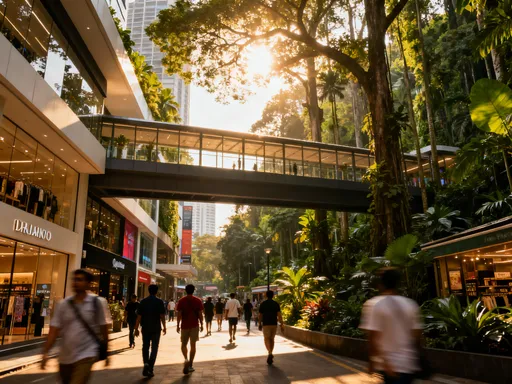
Walking through neighborhoods like Mile End or Griffintown, one begins to notice how the built environment supports this unhurried exploration. Wide sidewalks, tree-lined avenues, and frequent public plazas create natural pauses in the urban fabric. Street art appears unexpectedly around corners, and small parks tucked between buildings invite brief respites. Even traffic signals seem timed for pedestrians rather than cars, reinforcing the sense that the city was designed for those on foot. For the curious traveler, this means every block holds potential—not because of some famous landmark ahead, but because of the possibility of an unplanned interaction, a fleeting moment of beauty, or a doorway leading to a tiny atelier filled with handmade treasures.
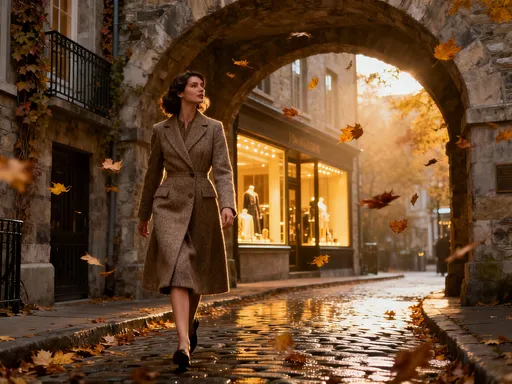
It’s this culture of mindful wandering that transforms shopping from a task into a narrative. You don’t come to Montreal to “buy things.” You come to experience moments—of surprise, delight, and connection. And in doing so, you begin to understand that the city’s greatest offerings aren’t always behind glass cases or price tags, but in the atmosphere itself: the murmur of conversation in two languages, the golden light filtering through autumn maples, the way a stranger smiles as you admire a display of hand-stitched gloves in a boutique window.
Old Montreal: Where History Meets Handcrafted Luxury
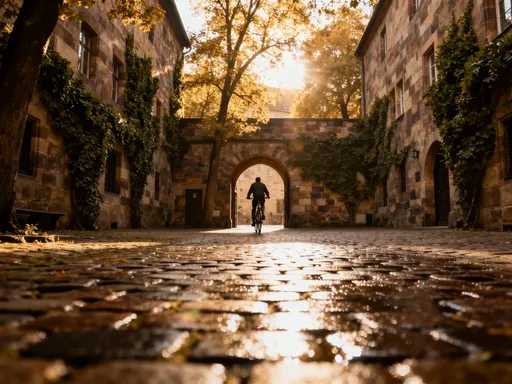
If Montreal has a historical heart, it beats strongest in Old Montreal. Here, centuries-old stone buildings with ivy-draped façades line narrow, cobblestone streets that echo with the footsteps of explorers, traders, and artisans from another era. Yet far from being a museum frozen in time, this district pulses with contemporary energy, particularly when it comes to shopping. Boutiques nestled within 17th- and 18th-century warehouses offer a curated blend of heritage and modernity, where Quebecois craftsmanship meets global design sensibilities.
One need only walk down Rue Saint-Paul to encounter shops that celebrate local artisanship. At a small leather atelier, visitors can watch a craftsman hand-stitch a wallet using techniques passed down through generations. The scent of rich, vegetable-tanned leather fills the air, mingling with the warm aroma of freshly baked baguettes from a nearby boulangerie. Nearby, a ceramics studio showcases hand-thrown mugs and vases glazed in earthy tones inspired by the Laurentian landscape. Each piece bears subtle imperfections—the mark of the human hand—that make it feel alive, personal, and deeply rooted in place.
Jewelry lovers will find quiet treasures in tucked-away galleries, where Quebec-based designers use materials like Labradorite, a shimmering stone mined in northern Quebec, to create pieces that reflect the region’s natural beauty. One boutique features delicate silver pendants shaped like maple leaves, each one individually textured to mimic the veins of the real thing. The owner, a soft-spoken artist from Gaspésie, explains that her work is inspired by the changing seasons—a philosophy that resonates throughout Montreal’s creative community.
What makes shopping in Old Montreal so memorable isn’t just the quality of the goods, but the sensory richness of the experience. Street musicians play accordion melodies near Place Jacques-Cartier, their music blending with the clatter of horse-drawn carriages. Flower boxes overflow with geraniums in summer, and in winter, twinkling lights draped across the streets create a magical canopy. Even the act of pausing for coffee at a corner café becomes part of the journey—especially when the barista remembers your order after just one visit.
These details accumulate, forming a tapestry of impressions that linger long after the shopping bags have been unpacked. In Old Montreal, every purchase feels like a story in the making—not just of what you bought, but of where you were, who you met, and how the city made you feel.
The Plateau’s Bohemian Pulse: Fashion with a Soul
Just a short walk east from downtown lies the Plateau, a neighborhood known for its colorful row houses, artistic spirit, and fiercely independent identity. Here, fashion isn’t about trends dictated by runways, but about self-expression, sustainability, and community. The streets—particularly Rue Saint-Laurent and Rue Bernard—are lined with vintage boutiques, eco-conscious labels, and pop-up shops run by emerging designers who treat clothing as both art and activism.
Vintage shopping in the Plateau is an adventure in curation. Stores like those along Avenue du Parc are filled with carefully selected pieces—1970s wool coats, 1950s silk blouses, handmade boots from the 1980s—all cleaned, repaired, and displayed with care. These aren’t thrift stores in the traditional sense; they are edited collections, often organized by color or decade, that reflect the owner’s taste and vision. Many shopkeepers are stylists or designers themselves, eager to offer advice or share the history behind a particular garment.
What stands out is the emphasis on sustainability. In a city increasingly aware of fashion’s environmental footprint, the Plateau leads the way in promoting circular fashion. Labels like those found in local concept stores use organic cotton, natural dyes, and zero-waste patterns. Some even offer repair services or host clothing swap events, reinforcing the idea that style doesn’t have to come at the planet’s expense.
Meeting the makers is part of the experience. In a tiny shop on Rue Rachel, a young designer from Sherbrooke shows her latest collection made entirely from upcycled denim. She speaks passionately about reducing textile waste and supporting local labor. Her studio, visible through a glass partition at the back of the store, hums with the sound of sewing machines and soft conversation. Customers don’t just browse—they engage, ask questions, and often leave with not just a new jacket, but a deeper understanding of how it came to be.
The community-driven ethos extends beyond fashion. Independent bookstores double as event spaces for poetry readings. Record shops host live acoustic sets on weekend afternoons. Even the coffee shops feel like extensions of the neighborhood’s creative soul, with walls covered in local art for sale. In the Plateau, shopping isn’t isolated from culture—it is culture.
Marché Atwater: A Feast for the Senses and the Pantry
No exploration of Montreal’s shopping culture would be complete without a visit to Marché Atwater, one of the city’s most beloved indoor markets. Housed in a striking Art Deco building beside the Lachine Canal, this bustling marketplace is a celebration of Quebec’s rich agricultural heritage. Open year-round, it draws locals and visitors alike who come not just to buy groceries, but to taste, touch, and talk their way through a vibrant culinary landscape.
From the moment you step inside, the air is alive with scent: sharp aged cheeses, smoky cured meats, sweet maple syrup, and the earthy perfume of just-picked mushrooms. Long rows of stalls showcase regional specialties—creamy goat cheese from the Eastern Townships, duck confit from a family-run farm near Drummondville, jars of wild blueberry jam harvested from the boreal forest. Bakers display flaky croissants, sourdough loaves with crackling crusts, and Montreal’s famous bagels, baked fresh every morning in wood-fired ovens just blocks away.
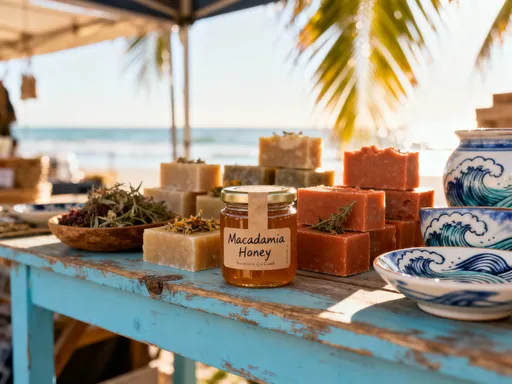
What sets Marché Atwater apart is the direct connection between producer and consumer. Many vendors are the farmers, cheesemakers, or artisans themselves, standing proudly behind their products. At one stall, a fifth-generation maple syrup producer offers samples of syrup graded by season—lighter in spring, deeper and more robust by late winter. At another, a young woman from Île d’Orléans sells honey infused with wild thyme, explaining how her bees forage in pesticide-free meadows.
Shopping here feels participatory. You’re encouraged to taste before you buy, to ask questions, to learn. A cheese vendor might pair a slice of Oka—a semi-soft Quebec classic—with a piece of apple and a cracker, explaining its history and ideal wine pairings. A fishmonger displays trout caught that morning from a nearby lake, filleted with precision while sharing tips on how to cook it simply with butter and herbs.
For visitors, the market offers more than ingredients—it offers immersion. Picking up a jar of saffron-infused honey or a wedge of bloomy-rind cheese becomes a way of taking home a piece of Quebec’s terroir. Even the packaging is thoughtful: reusable cloth bags, paper wrappings stamped with hand-carved logos, wooden crates reused for storage. It’s shopping with intention, where every purchase supports small-scale producers and sustainable practices.
Underground City? Not Today—Why Surface-Level Surprises Matter
Montreal is famous for its RESO, the vast underground city that connects malls, offices, hotels, and metro stations across the downtown core. In winter, when temperatures plunge and snow blankets the streets, it’s a marvel of urban convenience. But for the curious explorer, staying underground means missing the soul of the city. True discovery happens above ground, where the seasons shape the landscape and local life unfolds in full view.
While the underground network offers climate-controlled predictability, it also creates a kind of sensory insulation. The sounds are muffled, the light is artificial, and the experience feels generic—like any mall in any major city. In contrast, walking the surface streets brings you into contact with the city’s pulse: the crunch of fallen leaves underfoot in autumn, the scent of chestnuts roasting from a sidewalk vendor in winter, the buzz of outdoor patios in summer.
It’s on these surface-level journeys that you stumble upon the unexpected. A pop-up market in Place des Festivals during the Jazz Festival, where ceramicists, textile artists, and jewelers sell their work beneath string lights. A weekend farmers’ market in Jean-Talon Square, where families gather around food trucks serving poutine with gourmet twists. A sidewalk sale in Westmount where a boutique owner spills racks of summer dresses onto the pavement, creating an impromptu open-air boutique.
Seasonal festivals further elevate the above-ground experience. In spring, the Tulip Festival transforms parks into floral tapestries, with local artisans selling hand-painted garden markers and botanical prints. In fall, the MURAL Festival turns entire blocks into open-air galleries, with guided walks linking street art to nearby independent shops. These events don’t just draw crowds—they create moments of shared joy, where shopping becomes part of a larger celebration of community and creativity.
Choosing to stay above ground is an act of intention. It means embracing the unpredictability of weather, the occasional detour, the need to bundle up or carry an umbrella. But it also means being present—feeling the sun on your face, hearing children laugh in a playground, noticing how light reflects off the St. Lawrence River at dusk. These are the details that turn a shopping trip into a memory.
Practical Tips for the Curious Explorer
For those eager to explore Montreal’s local shopping scene, a few simple strategies can deepen the experience. First, consider timing. Neighborhoods like Old Montreal and the Plateau are best visited in the late morning or early afternoon, when shops are fully open and the light is ideal for photography. Markets like Marché Atwater and Jean-Talon are busiest on weekends, so arriving early allows for more relaxed browsing and better selection.
When it comes to identifying authentic local goods, look for signs of craftsmanship and provenance. Items labeled “Made in Quebec” or “Artisanal” often indicate locally produced goods. Many boutiques display information about the maker—photos, bios, or even live demonstrations. If in doubt, ask the shopkeeper: most are proud to share the story behind their products. Avoid stores clustered near major tourist attractions that sell mass-produced souvenirs like generic maple leaf mugs or plastic snow globes.
Payment norms are straightforward—credit cards are widely accepted, though carrying some cash is useful for small vendors at markets or pop-up stalls. While English is commonly spoken, making an effort to use basic French phrases—such as *Bonjour*, *Merci*, or *Combien ça coûte?*—is warmly appreciated and often leads to friendlier interactions. A simple greeting in French can open doors, both literal and figurative.
Dress comfortably but thoughtfully. Montrealers tend to dress with understated elegance—think tailored coats, quality knitwear, and well-chosen accessories. Wearing comfortable shoes is essential, given the amount of walking involved. A reusable tote bag is also practical, as many stores do not provide plastic bags, reflecting the city’s commitment to sustainability.
Finally, allow room for spontaneity. Some of the best discoveries happen when plans are abandoned. A detour down a side street might lead to a hidden courtyard gallery. A chance conversation with a local might reveal a favorite neighborhood bakery. The magic of Montreal lies not in checking off destinations, but in being open to the unexpected.
Beyond the Purchase: How Shopping Became a Story
By the end of the day, the shopping bags may be full, but the real treasures are intangible. The memory of a ceramicist explaining how she sources her clay from the Laurentians. The taste of a cheese sampled at a market stall, later paired with wine during a quiet dinner. The warmth of a shopkeeper who remembered your name after just one visit. These moments accumulate, forming a mosaic of connection and belonging.
In Montreal, shopping transcends consumption. It becomes a form of storytelling—a way of learning about a place through its makers, its flavors, its rhythms. Each purchase carries with it a narrative: of hands shaping leather, of farmers tending bees, of designers reimagining the past with respect and creativity. To shop here is not to take, but to participate—to become, however briefly, part of the city’s living culture.
And perhaps, in the process, you learn something about yourself. The scarf you chose not because it was trendy, but because its color reminded you of a childhood summer. The journal bound in recycled paper that feels perfect in your hands. These objects become more than possessions; they become anchors for memory, symbols of a day spent truly present.
Montreal teaches that the best journeys are not measured in miles, but in moments of quiet wonder. It reminds us that beauty exists not just in grand monuments, but in the details—the curve of a doorknob, the pattern of a tile floor, the way sunlight hits a display of hand-blown glass. To walk its streets with curiosity and care is to rediscover the joy of discovery itself. And in that rediscovery, shopping becomes not an act of acquisition, but an act of appreciation—a quiet, profound way of saying, *I was here, I noticed, I cared.*