This Is Why Iceland’s Wild Terrain Will Blow Your Mind
You know that feeling when nature just wows you? Hiking near Reykjavik, I didn’t expect lava fields to look like another planet. The rugged terrain—volcanic ridges, moss-covered expanses, and raw coastal cliffs—feels unreal. This isn’t just walking; it’s exploring Earth in its most primal form. If you crave landscapes that shift beneath your boots, this place delivers. Trust me, your idea of hiking will change forever. Iceland’s wild terrain is not merely scenic—it’s transformative. From the moment you step onto its ancient lava flows or gaze across windswept coastal bluffs, you’re not just visiting a country; you’re standing on a living geological diary. This island, perched atop the Mid-Atlantic Ridge, is where continents pull apart, volcanoes breathe fire, and glaciers carve valleys with slow, relentless force. And the best way to experience it? On foot. Whether you're a seasoned hiker or someone who simply enjoys a peaceful walk in nature, Iceland offers trails that balance accessibility with awe-inspiring drama. This guide will walk you through the magic just beyond Reykjavik’s doorstep, revealing how even a short hike can transport you into a world shaped by elemental power, fragile beauty, and profound silence.
Why Reykjavik Is the Gateway to Otherworldly Hikes
Reykjavik, though modest in size, holds an extraordinary advantage: it sits at the edge of one of the planet’s most geologically active and visually dramatic landscapes. Unlike many capital cities that grow inward, away from nature, Reykjavik opens directly onto wild terrain. Just minutes from downtown, the paved streets give way to gravel roads, then to footpaths that lead into untouched volcanic highlands, coastal ridges, and moss-draped hills. This proximity makes it one of the most accessible gateways to raw natural beauty in the world. A morning coffee in a city café can be followed by an afternoon hike where the only sounds are the wind and distant waves.
What sets Reykjavik apart is not just its location, but the diversity of ecosystems within such a short radius. To the west, the Snæfellsnes Peninsula offers glacier-capped volcanoes and black sand beaches. To the south, the Reykjanes Peninsula reveals steaming fumaroles and jagged lava fields. Just across the bay, Mount Esja rises like a sentinel, its layered rock formations telling a story of tectonic upheaval over millions of years. These aren’t distant destinations requiring overnight trips—they’re part of the city’s extended backyard. This unique blend of urban convenience and immediate wilderness access makes Reykjavik an ideal base for travelers who want to experience nature without sacrificing comfort or time.
The contrast between city life and the surrounding wild is striking. Reykjavik is known for its colorful houses, creative energy, and welcoming atmosphere. But step beyond its limits, and the world transforms. The air grows crisper, the sky wider, and the land more rugged. There’s a humbling sense of scale when you stand at the base of a lava field that erupted centuries ago or gaze across a cliff where puffins nest each summer. This duality—calm civilization on one side, untamed Earth on the other—creates a powerful experience. It reminds visitors that nature is not something separate or distant, but an ever-present force just beyond the pavement.
The Volcanic Backbone: Hiking Across Lava Landscapes
Iceland’s identity is written in fire and stone, and nowhere is this more evident than in its vast lava fields. These are not barren wastelands, but dynamic, textured terrains shaped by eruptions both ancient and recent. Trails like Leitin, located on the Reykjanes Peninsula, take hikers directly across expanses of pāhoehoe and ‘a‘ā lava—terms borrowed from Hawaiian geology that describe the flow and texture of cooled basalt. Pāhoehoe forms smooth, ropy surfaces, while ‘a‘ā creates jagged, broken fields that crunch underfoot with every step. Walking here feels like traversing the surface of Mars—otherworldly, silent, and humbling.
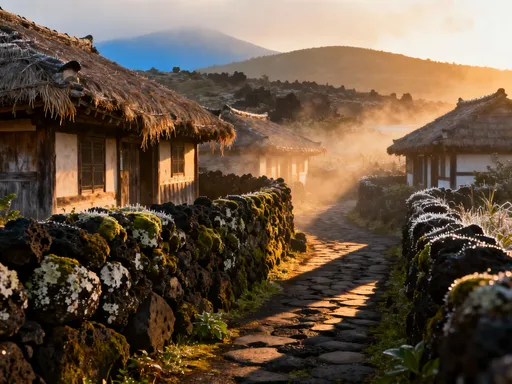
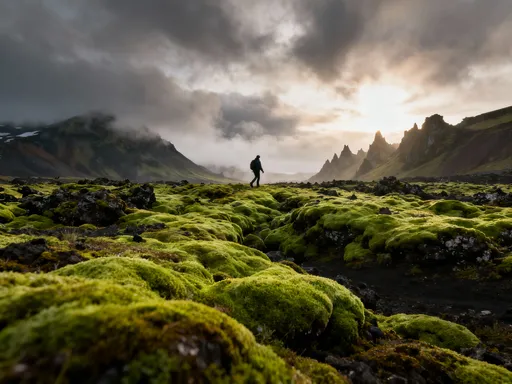
The most striking feature of these lava zones is the contrast between destruction and renewal. What began as rivers of molten rock has, over time, become a foundation for life. Bright green moss clings to crevices, lichens paint the rocks in subtle hues, and hardy grasses find purchase in the smallest pockets of soil. The interplay of color and texture is mesmerizing: black rock, emerald moss, gray sky, and the occasional flash of wildflowers in summer. The air carries a mineral scent, and the silence is profound—broken only by the wind or the distant cry of an Arctic tern.
Despite their beauty, lava fields demand respect. The terrain is uneven and unstable, with sharp edges that can tear clothing or cause slips. Proper hiking boots with ankle support are essential, as is staying on marked paths. Some areas, particularly near recent eruptions, have thin crusts that can collapse under weight, posing a serious risk. But with caution, these landscapes offer an unmatched hiking experience. They remind us that Earth is not static—it breathes, shifts, and rebuilds itself over time. To walk across solidified lava is to walk on history, to feel the pulse of geological time beneath your feet.
Moss-Covered Wonders: Nature’s Soft Carpet on Rugged Ground
If lava is Iceland’s skeleton, then moss is its living skin. Blanketing much of the island’s volcanic terrain, moss forms thick, spongy layers in shades of lime, olive, and electric green. In places like the hills around Grafarholt or the highlands near Úlfsholt, entire slopes appear draped in velvet. This isn’t just decorative—it’s a vital part of Iceland’s fragile ecosystem. Moss plays a crucial role in soil stabilization, preventing erosion on slopes that were once stripped bare by overgrazing and volcanic activity. It also retains water, supports microorganisms, and slowly transforms barren rock into habitable land.
Hiking across moss-covered terrain is a sensory delight. The ground yields slightly underfoot, creating a soft, springy sensation unlike any other trail surface. The color is vibrant, especially after rain, when droplets cling to the tiny leaves like jewels. In sunlight, the moss glows, creating a surreal, almost magical atmosphere. But this beauty comes with a responsibility. Icelandic moss grows incredibly slowly—sometimes just one centimeter per year. A single footprint can take decades to heal. This is why the principle of Leave No Trace is so critical here. Straying from marked paths, cutting corners, or sitting on mossy areas may seem harmless, but it can cause long-term damage.
Conservation efforts across Iceland emphasize the importance of staying on trails and respecting natural boundaries. Signs in popular areas remind visitors: “Þurfa ekki að fara yfir mosi” (Don’t walk on the moss). Educational programs in schools and visitor centers teach both locals and tourists about the ecological value of these humble plants. For hikers, this means planning routes carefully, using established footpaths, and resisting the temptation to wander off for a better photo. When followed, these practices ensure that future generations will still be able to walk across these lush, living carpets. More than just a surface to walk on, moss represents resilience, patience, and the quiet power of nature to heal and renew.
Coastal Trails That Take Your Breath Away
The meeting of land and sea in Iceland is nothing short of dramatic. Along the Reykjanes Peninsula and other coastal regions near Reykjavik, hiking trails wind along cliffs where the Atlantic Ocean crashes against basalt columns with thunderous force. These shores are shaped by relentless waves, wind, and volcanic activity, creating landscapes of raw power and beauty. The Gunnuhver trail, for example, leads hikers from geothermal vents to sea cliffs where steam rises from the rocks even as waves explode below. The contrast between fire and water is palpable—both shaping the land in real time.
One of the most rewarding aspects of coastal hiking in Iceland is the wildlife. During summer months, cliffs become nesting sites for puffins, guillemots, and kittiwakes. Their calls echo across the headlands, adding life to the rugged scenery. Trails like those at Dyrhólaey offer panoramic views of the ocean, black sand beaches, and sea stacks carved by erosion. On clear days, the horizon stretches endlessly, and the air feels charged with energy. Even in winter, when storms roll in from the North Atlantic, these trails offer a different kind of beauty—moody skies, frothing waves, and a sense of solitude that is hard to find elsewhere.
However, coastal conditions demand preparation. Winds can be fierce, especially at higher elevations, and weather changes rapidly. Hikers should wear windproof and waterproof layers, carry extra clothing, and check forecasts before setting out. Staying a safe distance from cliff edges is crucial—rockfalls and erosion make some areas unstable. Despite these challenges, the rewards are immense. There’s a deep emotional resonance in standing at the edge of a continent, feeling the spray on your face, and watching the forces of nature unfold in real time. These trails don’t just offer views—they offer perspective.
Geothermal Zones: Where Earth Breathes Beneath Your Feet
Nowhere else on Earth can you stand so close to the planet’s inner heat quite like in Iceland’s geothermal zones. Areas like Krýsuvík and Seltún, located on the Reykjanes Peninsula, are natural laboratories of volcanic activity. Here, the ground fumes with steam, bubbling mud pots gurgle and pop, and rocks are stained in surreal shades of yellow, orange, and red by sulfur and iron compounds. The air carries a sharp, eggy scent of hydrogen sulfide—a reminder that you’re walking above a restless Earth. These are not static landscapes; they shift and change, with new vents opening and old ones cooling over time.
The science behind these zones is both fascinating and humbling. Iceland sits directly on the Mid-Atlantic Ridge, where the North American and Eurasian tectonic plates are slowly pulling apart. As they separate, magma rises from deep within the mantle, heating groundwater and creating the geothermal activity seen at the surface. This process fuels not only natural wonders but also Iceland’s renewable energy grid—geothermal plants provide heating and electricity for much of the country. For hikers, this means walking across a landscape that is literally alive, where the ground beneath your feet is warm, and steam rises from cracks in the earth.
Yet, this beauty comes with danger. The crust in geothermal areas is often thin, and stepping off marked paths can lead to serious injury. Scalding water lies just beneath the surface, and unstable ground can collapse without warning. Authorities maintain wooden walkways and clear signage to keep visitors safe, and it’s essential to follow these guidelines. Doing so allows you to experience the full sensory impact of these zones—the hiss of steam, the vibration of boiling mud, the kaleidoscope of mineral colors—without risk. These are places that inspire awe and respect, reminding us that nature is not just scenic, but powerful and unpredictable.
Choosing the Right Trail: Matching Terrain to Your Experience
With so many trails available, selecting the right one depends on fitness level, experience, and weather conditions. Fortunately, Iceland offers options for all abilities. For beginners or families, Grafarholt is an excellent choice. Located just outside Reykjavik, this forested hill features well-maintained paths, gentle slopes, and interpretive signs about local flora. The moss-covered lava and pine trees create a peaceful atmosphere, ideal for a relaxed walk with children or as an introduction to Icelandic terrain.
Intermediate hikers might enjoy the Leitin trail or the slopes of Mount Esja. Leitin offers a moderate loop across lava fields and geothermal areas, with panoramic views of the peninsula and the ocean. Mount Esja, visible from much of Reykjavik, provides a more strenuous climb with rewarding vistas at the summit. Trails here are clearly marked, but weather can change quickly—what starts as a clear morning can turn into fog and rain by afternoon. Layered clothing, a reliable map or GPS, and sturdy footwear are essential.
For experienced hikers, routes like Úlfsholt or the highland trails near Hengill offer greater challenges. These areas feature uneven terrain, river crossings, and exposure to wind and cold. Navigation skills are important, as trail markers can be sparse. In all cases, checking SafeTravel.is before departure is strongly recommended. This official website provides real-time updates on trail conditions, weather warnings, and road closures. It’s also wise to inform someone of your plans and expected return time. With proper preparation, every hiker—from novice to expert—can find a trail that matches their ability and offers a safe, memorable experience.
Hiking as a Way to Understand Iceland’s Soul
More than just a physical activity, hiking in Iceland is a journey into the heart of the island’s identity. This is a land shaped by fire and ice, where glaciers grind mountains into dust and volcanoes build new land from the sea. The people of Iceland have learned to live in harmony with these forces, respecting nature’s power and fragility. Their culture reflects this balance—practical, resilient, and deeply connected to the land. By walking these trails, visitors gain more than views; they gain insight into a worldview shaped by elemental forces.
Each step on a lava field, each pause on a cliff edge, deepens this connection. There’s a quiet reverence that comes from standing in a place where the Earth is still forming. It fosters mindfulness, a sense of presence, and a recognition of our small place in geological time. This is not tourism as consumption, but as participation—a way to engage with nature on its own terms. It encourages sustainable practices, respect for conservation, and a slower, more intentional way of traveling.
Ultimately, hiking in Iceland is not about conquering terrain, but about listening to it. It’s about feeling the wind, smelling the sulfur, hearing the silence, and seeing colors that seem too vivid to be real. It’s about understanding that beauty and danger, stillness and power, coexist in the same landscape. For those willing to step off the pavement and into the wild, Iceland offers not just trails, but transformations. So lace up your boots, check the weather, and take that first step. The Earth is waiting.